Buying your first mountain bike is exciting. However, walking into a bike shop or browsing online can feel overwhelming quickly. There are hundreds of options, confusing specs, and price tags that range from a few hundred to several thousand dollars. The good news is that once you understand the basics, the decision becomes much easier. This guide breaks everything down in plain language so you can shop with confidence.
Why Your Riding Style Matters First
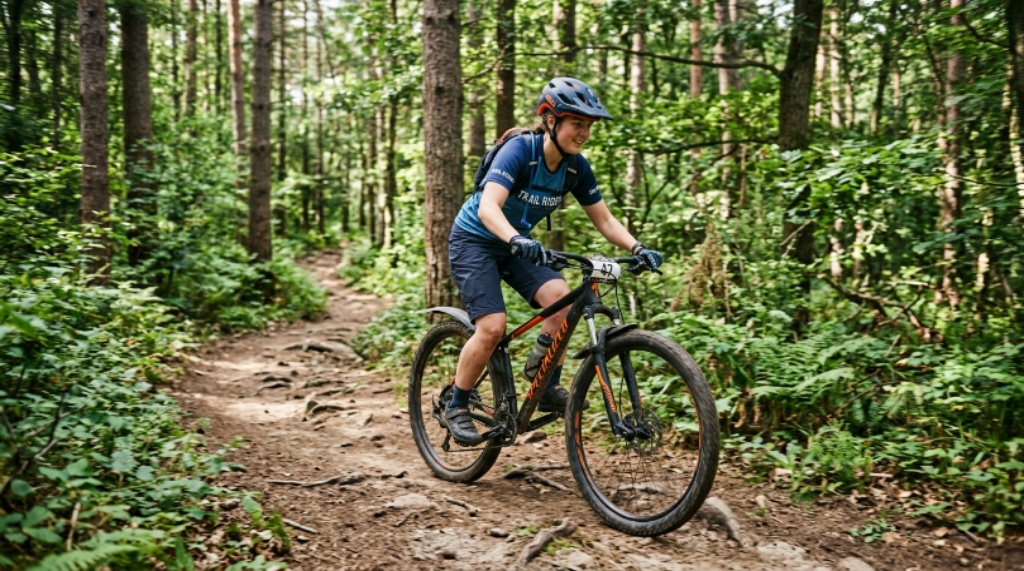
Before you look at a single bike, think about where you plan to ride. This is the most important question you can ask yourself. Are you going to cruise along forest paths and gentle dirt tracks? Or do you want to tackle steep descents and rocky terrain?
Mountain bikes are designed for specific conditions. A bike built for flat cross-country trails will struggle on aggressive downhill courses. Conversely, a heavy downhill bike is exhausting to pedal uphill. Therefore, knowing your terrain saves you money and frustration from the very start.
There are three main riding styles to consider:
- Cross-country (XC): Fast, efficient riding on moderate trails
- Trail riding: The most versatile style, great for beginners
- Enduro and downhill: More aggressive, technical descents
Most beginners do well with a trail bike. It handles a wide range of conditions and grows with your skill level over time.
Setting a Realistic Budget
Mountain bikes come at every price point. However, very cheap bikes — typically under $400 — are often made with heavy, low-quality parts that break down fast. Additionally, they tend to be harder and less fun to ride.
A reasonable starting budget for a reliable beginner mountain bike is between $700 and $1,500. In this range, you get a bike with decent components that will last several years. As your skills grow, you can upgrade individual parts rather than replacing the whole bike.
If budget is tight, consider buying a used bike from a reputable seller. A well-maintained used bike in the $500 range can outperform a brand-new cheap one. Just inspect it carefully or bring someone knowledgeable with you.
Suspension Types: What You Need to Know
One of the biggest decisions you will make is choosing between different suspension types. Suspension absorbs bumps and keeps your wheels in contact with the ground. This directly affects your comfort and control on the trail.
There are two main options:
Hardtail bikes have front suspension only. The front fork absorbs shocks, but the rear of the bike is rigid. Hardtails are lighter, cheaper, and easier to maintain. They are a fantastic choice for beginners and cross-country riders. Additionally, riding a hardtail builds better technique because you feel more of the trail beneath you.
Full-suspension bikes have both front and rear suspension. They offer more comfort and control on rough terrain. However, they cost more and require more maintenance. They are generally recommended once you have some experience and know what kind of riding you enjoy most.
For most beginners, a hardtail is the smarter starting point. It delivers great performance at a lower price, and the simpler design means fewer things can go wrong on the trail.
MTB Features Explained: The Frame
The frame is the heart of any mountain bike. It determines the bike’s weight, strength, and ride feel. Therefore, understanding what frames are made of helps you make a better choice.
Aluminum frames are the most common choice for beginner and mid-range bikes. They are light, strong, and affordable. Most bikes in the $700 to $1,500 range use aluminum, and it works very well for trail riding.
Carbon fiber frames are lighter and absorb vibration better, but they cost significantly more. They are typically found on high-end bikes and are not necessary for beginners.
Steel frames are heavier but extremely durable and comfortable. They are often found on budget bikes or niche adventure models. Some riders love the smooth, springy feel of steel.
When choosing a frame, also pay attention to the geometry. A “slack” head angle makes the bike more stable at speed on descents. A “steep” angle makes it quicker and more efficient on climbs. Trail bikes strike a balance between both.
Gear System Basics for New Riders
The drivetrain is the system that moves your bike forward. Understanding gear system basics helps you avoid buying a bike that is over- or under-geared for your needs.
Modern mountain bikes commonly use a 1x (pronounced “one-by”) drivetrain. This means one chainring at the front and multiple gears in the rear cassette. The rear cassette typically ranges from 10 to 12 speeds. This setup is simple, lightweight, and works well across varied terrain. Additionally, it removes the front derailleur, which reduces mechanical complexity.
Older bikes may use a 2x or 3x setup, with multiple chainrings at the front. These give you a wider range of gears but come with more parts to maintain. For trail riding, a 1x system is usually the better choice for beginners.
When you test-ride a bike, shift through all the gears. The shifting should feel crisp and smooth. Any skipping, grinding, or hesitation is a warning sign.
Wheel Size: 27.5 vs 29 Inches
Wheel size affects how the bike rolls over obstacles and how it handles in corners. There are two main sizes used on adult mountain bikes today.
29-inch wheels (called “29ers”) roll over rocks and roots more easily. They also maintain speed better on flat or rolling terrain. However, they can feel slightly sluggish in tight, twisty trails.
27.5-inch wheels are more nimble. They accelerate faster and feel more playful in corners. Riders with shorter legs often find them more comfortable as well.
For taller riders — generally above 5’9″ — a 29er is usually the better choice. Shorter riders may prefer 27.5. That said, many modern trail bikes now come in 29 inches across a wide range of frame sizes, and manufacturers design them to handle well regardless of rider height.
Brakes: Disc Brakes Are the Standard
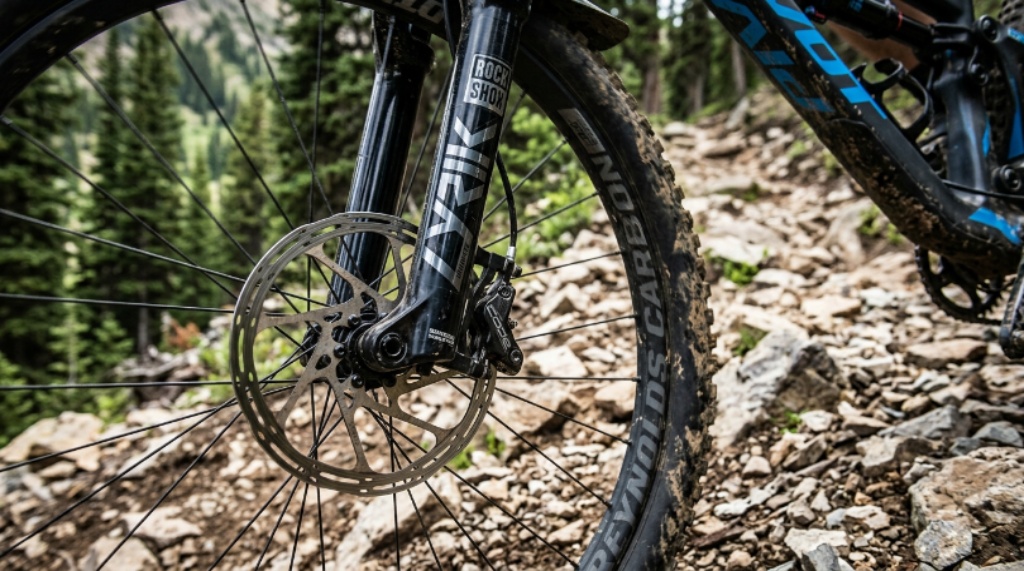
Nearly all quality mountain bikes today use hydraulic disc brakes. These brakes offer strong, consistent stopping power in all conditions, including mud and rain. They require less hand effort than older rim brakes and automatically adjust as the pads wear down.
Entry-level bikes sometimes use mechanical disc brakes. These work by pulling a cable rather than using fluid. They are less powerful but easier to self-service. However, if your budget allows, hydraulic disc brakes are worth the upgrade for better performance on technical trails.
How to Choose the Right Size
Riding a bike that does not fit you properly is uncomfortable and can even be dangerous. Most brands publish a size chart based on your height. However, standover height and reach are also important.
Standover height refers to how much clearance you have when standing over the frame. You should be able to stand flat-footed with a couple of inches of clearance. Reach refers to how stretched out you feel when riding. A good fit lets you hold the handlebars with a slight bend in your elbows and no strain on your back.
When possible, visit a local bike shop and test ride a few sizes. A professional fitting takes only a few minutes and makes a huge difference in your riding experience.
Where to Buy Your First Mountain Bike
Local bike shops (LBS) are the best place to start. The staff can help you find the right size and fit, and many shops offer free tune-ups with purchase. Additionally, you build a relationship with a shop that can service your bike for years to come.
Online retailers offer lower prices but no chance to test ride before buying. If you go this route, stick to reputable brands with clear return policies and good customer reviews.
Avoid department store bikes. They look similar to real mountain bikes but use low-grade components that wear out quickly and can become unsafe on trails.
Conclusion
Buying your first mountain bike does not have to be complicated. Start by figuring out where and how you want to ride. Set a realistic budget of at least $700 for a quality beginner bike. Choose a hardtail for simplicity, or a full-suspension if your terrain demands it. Look for a 1x drivetrain, hydraulic disc brakes, and a frame size that fits your body properly. Understanding these MTB features explained throughout this guide gives you a clear advantage when shopping. Whether you choose a 29er or a 27.5, aluminum or carbon, the best bike is the one that gets you out on the trail and keeps you coming back for more.
Frequently Asked Questions
What is the best mountain bike for a complete beginner?
A hardtail trail bike with an aluminum frame, 1x drivetrain, and hydraulic disc brakes is ideal. Look for brands like Trek, Giant, Specialized, or Cannondale in the $800 to $1,200 range.
How much should I spend on my first mountain bike?
Aim for at least $700 to $1,000 for a reliable bike. Cheaper options often use parts that wear out quickly, making them more expensive in the long run.
Is a hardtail or full-suspension better for beginners?
A hardtail is better for most beginners. It is lighter, cheaper, easier to maintain, and helps you develop better riding technique on the trail.
What does 1x drivetrain mean on a mountain bike?
A 1x drivetrain uses one chainring at the front and a wide-range cassette at the rear. It simplifies gear system basics by removing the front derailleur, making it easier to use and maintain.
What wheel size should I choose: 27.5 or 29 inches?
Taller riders generally do better on 29-inch wheels for their rollover ability and speed. Shorter or more agile riders may prefer 27.5 inches for quicker handling in tight turns.
Related Topics:
Goose Feather Pillows vs Goose Down: Which Should You Choose?
How to Select Lightweight Cart Golf Bags for Comfortable Play