Austin homeowners take gardening seriously because the local climate changes quickly throughout the year. According to the United States Department of Agriculture, Austin falls within hardiness zones 8b and 9a, which support long growing seasons and diverse plants. Additionally, Texas homeowners spend billions of dollars yearly on lawn and garden care because outdoor spaces increase property value and curb appeal. Many residents also follow proven gardener daily routine tips to maintain healthy landscapes during hot summers and mild winters. Consistent gardening habits help homeowners save water, protect plants, and keep outdoor spaces beautiful all year.
Why Daily Gardening Matters in Austin
Austin weather creates unique gardening challenges because temperatures often rise above 100 degrees during summer. Therefore, homeowners must pay close attention to soil moisture and plant health every day. Small daily tasks prevent larger landscaping problems that cost time and money later. Consistent care also helps gardens recover faster after storms or drought conditions.
Local gardeners understand that native plants thrive better with proper maintenance and observation. Moreover, routine gardening keeps pests and diseases under control before they spread. Homeowners who inspect plants daily often notice yellow leaves, dry soil, or insect damage early. Quick action protects flowers, vegetables, and lawns from long-term damage.
Checking Soil Moisture Every Morning
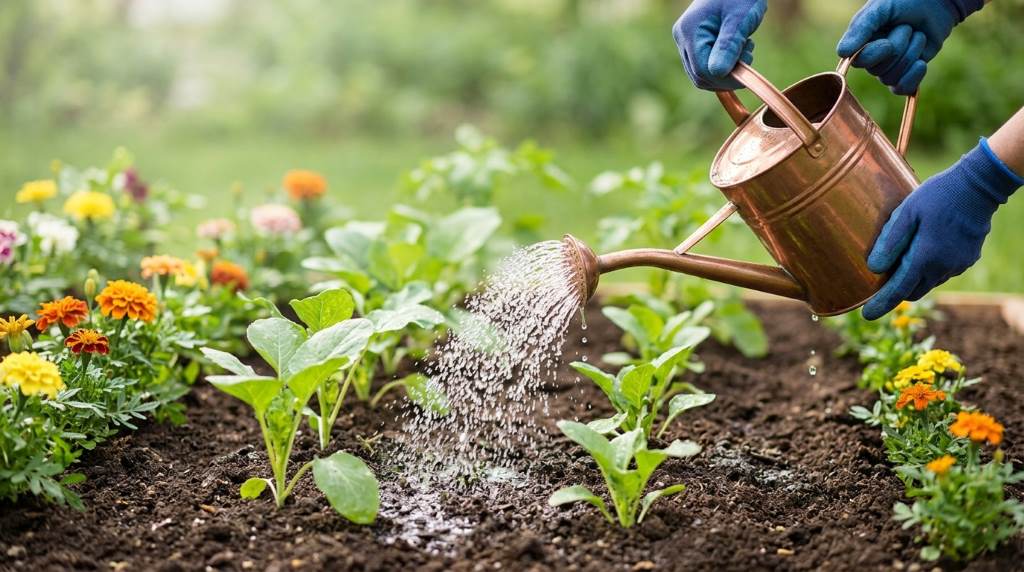
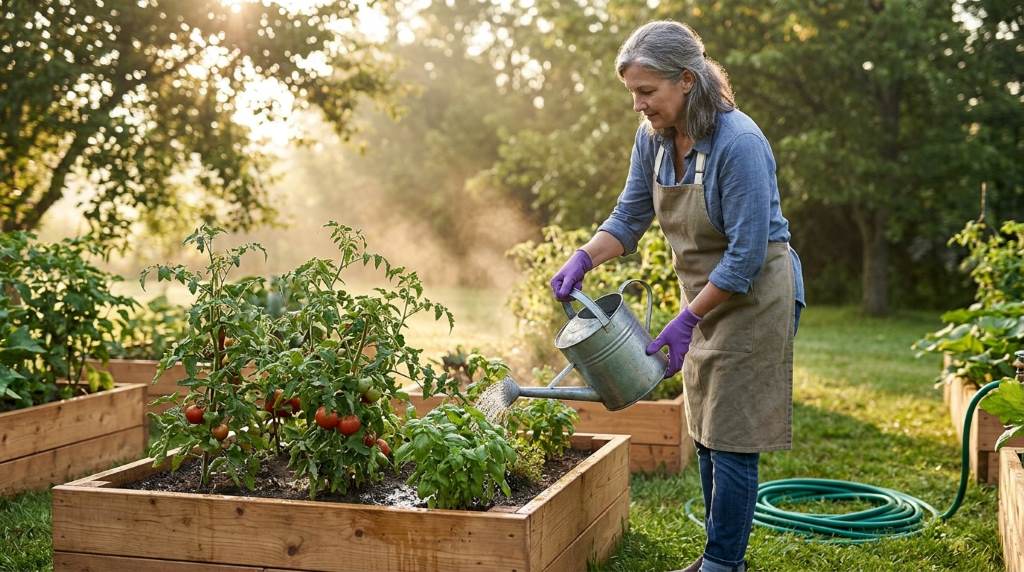
Austin homeowners usually begin their gardening routine by checking soil moisture levels. Early morning inspections help gardeners understand how much water plants need before temperatures increase. This habit prevents overwatering and reduces water waste during dry months. It also keeps roots healthy and strong throughout the growing season.
Gardeners often insert a finger or moisture meter into the soil before watering plants. Additionally, mulch helps retain moisture and keeps roots cooler during extreme heat. Native plants like lantana and Texas sage usually require less watering than tropical varieties. Homeowners who monitor soil conditions daily often maintain greener and healthier landscapes.
Best Watering Practices for Austin Gardens
Many homeowners water plants early in the morning because evaporation rates stay lower at sunrise. Drip irrigation systems also help deliver water directly to roots without wasting moisture. Soaker hoses remain popular because they support efficient watering during drought restrictions. Smart watering habits protect both gardens and utility bills.
Austin residents also adjust watering schedules according to rainfall and seasonal changes. During spring, gardens may need less irrigation because storms provide natural moisture. However, summer heat often requires deeper watering sessions several times each week. Flexible routines help plants survive changing Texas weather conditions.
Removing Weeds Before They Spread
Daily weed removal remains one of the most effective gardening habits for Austin homeowners. Weeds compete with plants for nutrients, sunlight, and water, especially during dry weather. Therefore, gardeners pull unwanted growth before it develops deep roots or spreads seeds. This simple task keeps flower beds clean and healthy.
Homeowners often inspect garden edges, walkways, and vegetable beds each morning. Furthermore, mulch creates a barrier that reduces weed growth naturally. Native mulch materials like cedar work especially well in Central Texas landscapes. Consistent weeding also improves the overall appearance of outdoor spaces.
Common Weeds Found in Austin
Several weed species grow aggressively in Austin because of the warm climate and frequent rainfall. Common weeds include crabgrass, dandelions, nutsedge, and clover. Homeowners who identify weeds early usually control them more easily. Fast action also reduces the need for chemical herbicides.
Many gardeners prefer hand-pulling weeds instead of using strong chemicals around pets or children. Additionally, maintaining thick grass helps prevent weeds from spreading across lawns. Healthy turf naturally blocks sunlight from reaching weed seeds. Simple prevention methods save time throughout the year.
Pruning and Trimming Plants Regularly
Austin homeowners regularly trim plants to encourage healthy growth and improve airflow. Dead leaves and damaged branches attract pests and diseases if left untreated. Therefore, gardeners remove weak growth before problems develop further. Daily pruning also keeps landscapes tidy and attractive.
Flowering plants benefit greatly from regular deadheading during spring and summer months. Moreover, pruning stimulates new blooms and stronger stems for many garden varieties. Shrubs and hedges also maintain better shape with consistent trimming. Small daily efforts prevent overgrown landscapes from becoming difficult to manage.
Plants That Need Frequent Attention
Several popular Austin plants require regular maintenance because they grow quickly in warm temperatures. Roses, crepe myrtles, hibiscus, and bougainvillea often benefit from weekly trimming. Gardeners also monitor herbs like basil and mint because they spread rapidly. Proper pruning encourages fuller and healthier growth.
Fruit trees require careful inspection because damaged branches reduce production and invite disease. Additionally, homeowners often sanitize pruning tools to prevent bacterial spread between plants. Clean equipment protects gardens from unnecessary infections. Healthy plants reward homeowners with better blooms and harvests.
Watching for Pests and Insects
Austin gardens attract many insects because warm temperatures support long breeding seasons. Therefore, homeowners inspect leaves, stems, and soil regularly for signs of pests. Early detection prevents infestations from damaging flowers, vegetables, and lawns. Consistent monitoring also reduces the need for harmful pesticides.
Gardeners often check the underside of leaves because insects hide in shaded areas. Furthermore, aphids, spider mites, caterpillars, and fire ants frequently appear in Central Texas gardens. Natural predators like ladybugs help control some pest populations effectively. Healthy ecosystems create stronger and more balanced gardens.
Natural Pest Control Methods
Many Austin homeowners prefer natural pest control solutions instead of harsh chemical treatments. Neem oil, insecticidal soap, and companion planting remain popular options for daily garden care. Additionally, marigolds help repel some harmful insects naturally. Organic methods protect pollinators like bees and butterflies.
Bird feeders and water sources also encourage helpful wildlife to visit gardens regularly. Birds consume insects that damage vegetables and ornamental plants. Moreover, healthy soil supports stronger plants that resist pests more effectively. Preventive care reduces future gardening problems significantly.
Caring for Lawns During Austin Summers
Austin lawns require daily attention during hot and dry months because grass struggles under intense sunlight. Homeowners often inspect grass color and texture to identify stress early. Brown patches may indicate dehydration, pests, or compacted soil. Quick action keeps lawns healthy throughout summer.
St. Augustine and Bermuda grass remain popular choices because they tolerate Texas heat well. However, both varieties still require proper mowing and watering schedules. Homeowners who mow too short often weaken their lawns during extreme temperatures. Taller grass blades help shade roots and conserve moisture.
Daily Lawn Maintenance Tips
Simple lawn habits improve grass health and reduce long-term maintenance costs. Many homeowners follow these daily lawn care steps:
- Remove leaves and debris from grass
- Check sprinkler systems for leaks
- Avoid watering during midday heat
- Watch for brown or thinning patches
- Keep mower blades sharp
These habits help lawns remain greener even during severe drought conditions. Consistent care also reduces weed growth and soil erosion problems.
Feeding Plants with the Right Nutrients
Healthy Austin gardens require balanced nutrients because sandy and clay soils often lack important minerals. Therefore, homeowners regularly inspect plants for signs of nutrient deficiencies. Yellow leaves, weak growth, and poor flowering usually indicate soil problems. Daily observation helps gardeners respond quickly.
Compost remains a popular solution because it improves soil quality naturally over time. Additionally, organic fertilizers support beneficial microbes that strengthen plant roots. Many homeowners also test soil annually to understand nutrient levels better. Proper feeding encourages stronger and longer-lasting landscapes.
Best Fertilizers for Austin Gardens
Different plants require different nutrients depending on their growth stage and species. Vegetable gardens often benefit from nitrogen-rich fertilizers during active growth periods. Flowering plants usually need phosphorus to support bloom production. Balanced fertilizers help maintain healthy lawns and ornamental plants.
Homeowners also apply mulch regularly because it slowly adds nutrients back into the soil. Furthermore, compost tea provides gentle feeding without overwhelming sensitive plants. Natural soil improvements create sustainable gardening systems. Strong roots help plants survive Austin heat more effectively.
Protecting Plants from Extreme Heat
Austin summers create stressful conditions for many flowers, vegetables, and shrubs. Therefore, homeowners take daily steps to reduce heat damage during peak temperatures. Shade cloths and mulch provide valuable protection for delicate plants. These simple methods help gardens remain productive despite extreme weather.
Container plants often dry out faster because pots retain heat during sunny afternoons. Additionally, gardeners move sensitive plants into partial shade when temperatures rise sharply. Deep watering encourages roots to grow downward toward cooler soil. Heat protection keeps landscapes healthier throughout summer.
Heat-Tolerant Plants Popular in Austin
Many Austin homeowners choose drought-resistant plants because they survive local conditions more easily. Popular heat-tolerant choices include:
- Texas sage
- Black-eyed Susan
- Lantana
- Agave
- Red yucca
These plants require less maintenance and water than non-native species. Native landscaping also supports local wildlife and pollinators naturally.
Growing Vegetables Successfully in Austin
Vegetable gardening remains popular in Austin because long growing seasons support multiple harvests yearly. However, daily attention helps vegetables survive sudden weather changes and pest activity. Gardeners inspect leaves, stems, and fruits regularly for signs of disease. Early care improves harvest quality and quantity.
Tomatoes, peppers, cucumbers, and squash grow especially well in Central Texas gardens. Additionally, raised beds improve drainage and soil control during heavy rains. Many homeowners also rotate crops to reduce pest and disease issues. Healthy vegetable gardens provide fresh produce for families year-round.
Essential Daily Vegetable Garden Tasks
Daily vegetable garden care usually includes several quick maintenance tasks:
- Inspect plants for insect damage
- Harvest ripe vegetables promptly
- Water deeply during dry weather
- Remove dead or yellow leaves
- Support climbing plants with stakes
These habits improve airflow and reduce disease risks throughout the growing season. Consistent attention also increases vegetable production significantly.
Creating a Sustainable Gardening Routine
Austin homeowners increasingly focus on sustainability because water conservation remains important across Texas. Therefore, many gardeners collect rainwater and reuse household water when possible. Sustainable gardening reduces environmental impact while lowering utility costs. Eco-friendly habits also support healthier outdoor ecosystems.
Composting kitchen scraps remains another common daily gardening practice in Austin neighborhoods. Moreover, compost reduces landfill waste while enriching garden soil naturally. Homeowners often plant native species because they require less water and fertilizer. Sustainable landscapes stay beautiful with fewer resources.
Benefits of Native Plants
Native plants adapt naturally to Austin’s climate, rainfall, and soil conditions. Therefore, they usually require less maintenance than exotic varieties. Butterflies, bees, and birds also benefit from native landscapes throughout the year. Biodiversity creates stronger and more resilient gardens.
Homeowners often combine native grasses, flowers, and shrubs for balanced outdoor spaces. Additionally, native plants tolerate drought conditions more effectively than many imported species. Reduced watering lowers monthly expenses during hot summers. Smart landscaping supports long-term garden success.
Seasonal Gardening Adjustments in Austin
Austin gardeners change their routines throughout the year because weather patterns shift dramatically between seasons. Spring often focuses on planting and fertilizing tasks after cooler winter months. Summer requires heat protection and careful watering management daily. Fall brings opportunities for pruning and soil preparation.
Winter gardening remains active in Austin because temperatures stay relatively mild compared to northern states. Therefore, homeowners continue monitoring plants even during colder months. Frost protection becomes important during sudden temperature drops. Seasonal awareness helps gardens remain healthy year-round.
Conclusion
Daily gardening habits help Austin homeowners maintain healthier lawns, stronger plants, and more beautiful outdoor spaces throughout the year. Small routines like watering wisely, removing weeds, and checking for pests prevent larger problems later. Additionally, sustainable practices reduce costs while supporting the local environment. Consistent care creates gardens that thrive despite Austin’s challenging climate conditions. If you want a vibrant and low-maintenance landscape, start building simple daily gardening habits today and stay committed throughout every season.
FAQs
How often should homeowners water gardens in Austin?
Most gardens need deep watering two to three times weekly, depending on rainfall and temperature.
What plants grow best in Austin’s climate?
Native plants like lantana, Texas sage, and red yucca grow very well in Austin conditions.
When is the best time to water plants in Austin?
Early morning remains the best watering time because evaporation rates stay lower.
How can homeowners protect plants from Austin heat?
Mulch, shade cloth, and deep watering help protect plants during extreme summer temperatures.
Why do Austin gardeners prefer native plants?
Native plants require less water, fewer chemicals, and lower maintenance throughout the year.
Related Reads
Discover: How to Greenhouse to Cover Garden Pond Without Blocking Sunlight
Check: Why Vertical Farming Is Bad: Uncovering the Hidden Challenges of a Trendy Solution
Explore: Bringing Your Backyard to Life: Building a Wooden Bridge