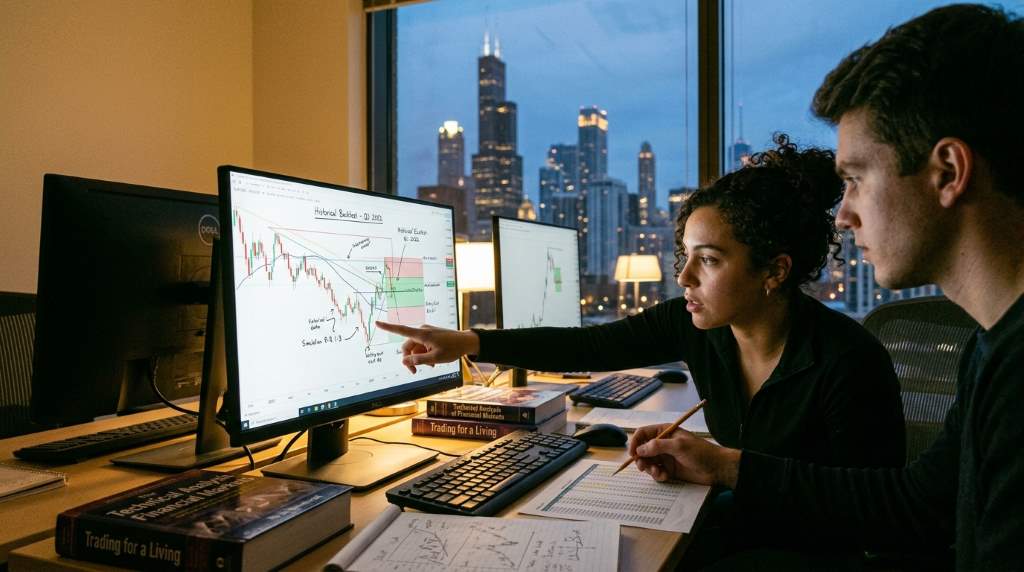
Forex trading attracts thousands of new traders every year, yet studies show that nearly 70% of retail traders lose money during their first year. Many beginners enter the market with excitement but lack preparation and discipline. Because of this, traders in Chicago, IL often spend time learning through historical analysis before risking real money. In particular, tradingview strategy backtesting for beginners has become a popular way to study patterns and improve confidence. This method allows new traders to test strategies in realistic market conditions while avoiding emotional mistakes that often happen during live trading.
Chicago’s Strong Financial Environment Encourages Smarter Trading
Chicago has a long history as one of America’s largest financial centers. The city houses major trading institutions, investment firms, and financial education communities. Because of this environment, many beginners gain exposure to professional trading habits early. Instead of rushing into live markets, they often study charts and historical price behavior first.
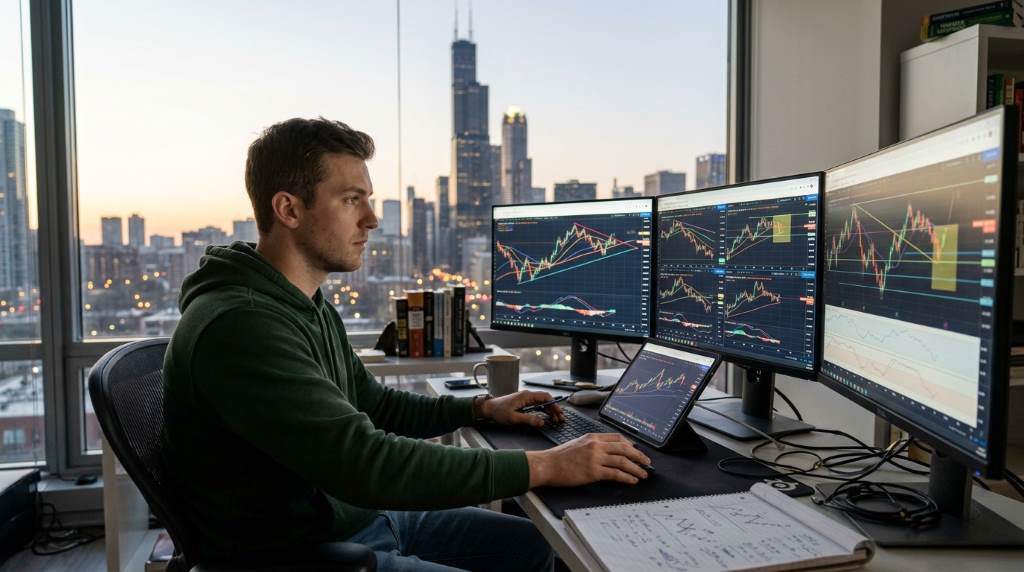
Many local learners also use digital tools that improve organization and productivity during practice sessions. For example, traders who already use business productivity mobile apps often adapt quickly to forex journaling and data tracking systems. These habits help them maintain discipline while reviewing old market movements. As a result, they build analytical thinking before risking capital.
Chicago’s financial culture also values preparation over gambling behavior. Experienced traders frequently encourage beginners to treat trading like a business instead of a shortcut to quick money. Therefore, historical trade analysis becomes an essential training step. This mindset separates serious learners from impulsive market participants.
Historical Trade Analysis Builds Real Market Understanding
Many beginners believe trading success depends only on indicators or signals. However, experienced traders understand that market behavior changes constantly. Historical analysis teaches beginners how currencies react during economic news, political uncertainty, and seasonal volatility. This deeper understanding helps traders avoid emotional decisions during live sessions.
When traders review historical charts, they notice recurring patterns across different market cycles. They learn how trends form, how reversals appear, and when momentum weakens. Furthermore, they begin to recognize high-probability setups instead of entering random trades. This process improves consistency and patience.
Chicago traders especially value data-driven learning because the city’s trading culture focuses heavily on analytical decision-making. Beginners often compare months or even years of market data before using a strategy in real conditions. Consequently, they gain practical experience without financial pressure. This approach reduces costly beginner mistakes later.
Benefits of Historical Trade Analysis
- Improves market pattern recognition
- Helps traders manage emotions calmly
- Strengthens risk management discipline
- Builds confidence before live execution
- Reveals weaknesses in trading strategies
Chicago Weather Conditions Influence Trading Habits
Chicago experiences long winters, strong winds, and sudden weather shifts throughout the year. Because of these conditions, many people spend more time indoors during colder months. Forex beginners often use this period to study charts, practice strategies, and analyze historical data carefully. The quiet indoor environment supports focused learning.
Cold winters also create structured daily routines for many local traders. Instead of treating trading casually, beginners schedule regular backtesting sessions during evenings or weekends. In addition, disciplined routines often improve learning speed and trading consistency. These habits become valuable once live trading begins.
Chicago’s seasonal lifestyle also supports long-term thinking. Since traders cannot rely on immediate results, they gradually learn patience through repeated analysis sessions. Many successful traders say patience matters more than prediction accuracy in forex trading. Historical analysis helps build that patience naturally.
Beginners Learn Risk Management Before Losing Money
One major reason Chicago beginners practice historical trade analysis involves risk management education. New traders often underestimate how quickly losses can grow in leveraged markets. However, reviewing past trades reveals the consequences of poor stop-loss placement and oversized positions. This learning happens without damaging a real account.
Many traders also combine chart analysis with financial tracking tools to control their habits better. Some learners even explore smart money management platforms to improve budgeting and trading discipline simultaneously. These systems help traders understand how emotional decisions affect long-term profitability. As a result, beginners develop healthier financial behavior.
Historical analysis also teaches realistic expectations. Beginners quickly discover that no strategy wins every trade. Instead, successful trading depends on maintaining favorable risk-to-reward ratios over many trades. This understanding prevents emotional overtrading and revenge trading.
Key Risk Management Lessons Beginners Learn
- Never risk large amounts on one trade
- Use stop-loss orders consistently
- Avoid emotional decision-making
- Focus on long-term consistency
- Protect trading capital carefully
Historical Analysis Reduces Emotional Trading
Emotions create serious problems for inexperienced forex traders. Fear often causes traders to exit profitable trades too early. Meanwhile, greed pushes many beginners into risky positions without proper analysis. Historical trade practice helps reduce these emotional reactions over time.
When traders repeatedly study old market conditions, they begin trusting data instead of feelings. They learn that losses happen naturally even with strong strategies. Therefore, they stop reacting emotionally to short-term market fluctuations. This emotional control becomes critical during real trading sessions.
Chicago traders often discuss the psychological side of trading in local online communities and financial meetups. Many experienced traders emphasize mindset training alongside technical analysis. Historical review creates a safe environment where beginners can practice discipline repeatedly. Over time, this builds emotional resilience.
Backtesting Helps Traders Adapt to Market Volatility
Forex markets change rapidly because of global economic events, interest rate decisions, and geopolitical developments. Beginners who practice historical analysis can study how markets reacted during past crises and major announcements. This preparation helps them stay calm during future volatility. As a result, they make more rational decisions.
For example, traders may study historical price action during inflation reports or central bank meetings. They observe how spreads widen and volatility increases during major announcements. Consequently, they learn when to avoid unnecessary risk. This practical knowledge becomes extremely valuable in live conditions.
Chicago beginners often appreciate structured preparation because many local financial industries operate under strict analytical frameworks. Historical testing mirrors that professional mindset. Traders become more methodical and less impulsive over time. This creates stronger long-term habits.
Data Journaling Creates Better Trading Discipline
Many successful Chicago traders maintain detailed journals during historical analysis sessions. They record entry points, exit levels, emotional reactions, and overall strategy performance. This habit creates accountability and helps identify recurring mistakes. Furthermore, written records improve self-awareness.
Trade journaling also allows beginners to compare multiple strategies objectively. Instead of relying on memory, traders review actual performance statistics over time. Therefore, they can refine strategies using real evidence rather than assumptions. This process strengthens confidence and decision-making quality.
Historical analysis combined with journaling also encourages consistency. Traders begin following structured routines instead of random market behavior. Over time, disciplined habits often become more important than strategy complexity. Consistency usually separates successful traders from unsuccessful ones.
Chicago Beginners Prefer Simulation Before Real Exposure
Many beginners in Chicago treat forex learning similarly to professional athletic training. Athletes practice repeatedly before competing publicly, and traders follow a similar process through historical simulations. They test reactions, improve execution speed, and refine strategies in controlled environments. This preparation reduces unnecessary financial risk.
Simulation also helps traders understand the difference between theory and practical execution. A strategy may look perfect on paper but fail under emotional pressure. Historical analysis exposes weaknesses before real money enters the equation. Consequently, traders gain realistic expectations.
Another uncommon but important factor involves local networking culture in Chicago. Traders often share ideas and compare backtesting results within study groups or online communities. These discussions create collaborative learning opportunities that many generic trading blogs rarely mention. Shared analysis often speeds up improvement.
Why Simulation Matters Before Live Trading
- Builds execution confidence
- Exposes weak trading habits early
- Improves reaction during volatility
- Strengthens strategy validation
- Reduces fear during real trades
Historical Analysis Encourages Long-Term Thinking
Many beginners initially focus on quick profits instead of sustainable growth. However, historical trade analysis changes that mindset gradually. Traders begin understanding that consistent small gains often outperform risky short-term strategies. This realization encourages patience and discipline.
Chicago’s professional financial culture strongly supports long-term thinking. Traders who study historical performance often become more strategic with capital allocation and risk exposure. In addition, they understand that market conditions evolve continuously. Adaptability becomes more important than chasing fast profits.
Some traders even apply business growth principles to their trading journey. Many learners who study scalable business development strategies recognize similar patterns in trading improvement. Small disciplined actions usually create stronger long-term results than aggressive shortcuts. This mindset benefits both entrepreneurship and forex trading.
Technology Makes Historical Analysis Easier Than Ever
Modern trading platforms provide beginners with easy access to years of historical market data. Traders can replay charts, test indicators, and evaluate strategies within minutes. This convenience allows beginners to gain practical experience faster than previous generations of traders. Consequently, learning becomes more efficient.
Chicago traders often combine multiple tools for deeper analysis. Some use spreadsheets, trading journals, and chart replay systems simultaneously. This structured approach improves accuracy and organization during learning sessions. Better organization usually leads to better decision-making.
Technology also allows traders to practice during flexible hours. Since forex markets operate globally, beginners can review historical setups whenever convenient. This flexibility supports working professionals and students who cannot monitor live markets constantly. Therefore, learning becomes more accessible.
Conclusion
Chicago, IL forex beginners practice historical trade analysis before real trading because it creates stronger discipline, emotional control, and risk management skills. Historical review helps traders understand real market behavior without exposing their capital to immediate danger. Furthermore, Chicago’s analytical financial culture encourages preparation and long-term thinking over impulsive decisions. Beginners who spend time practicing before entering live markets often gain greater confidence and consistency.
If you plan to enter forex trading, start by studying historical market behavior instead of rushing into live trades immediately. Practice regularly, review your mistakes honestly, and build a structured trading routine. Consistent preparation usually creates better outcomes than emotional speculation. Smart traders learn first and trade second.
FAQs
Why do forex beginners use historical trade analysis?
Beginners use historical analysis to practice strategies and understand market behavior without risking real money.
Is backtesting useful for new traders?
Yes, backtesting helps traders identify strengths and weaknesses before entering live markets.
Why is Chicago popular for financial learning?
Chicago has a strong financial culture with many trading communities and professional market influences.
Can historical analysis improve emotional control?
Yes, repeated practice helps traders react calmly and avoid emotional trading decisions.
How long should beginners practice before live trading?
Most beginners benefit from several months of consistent practice before risking real capital.