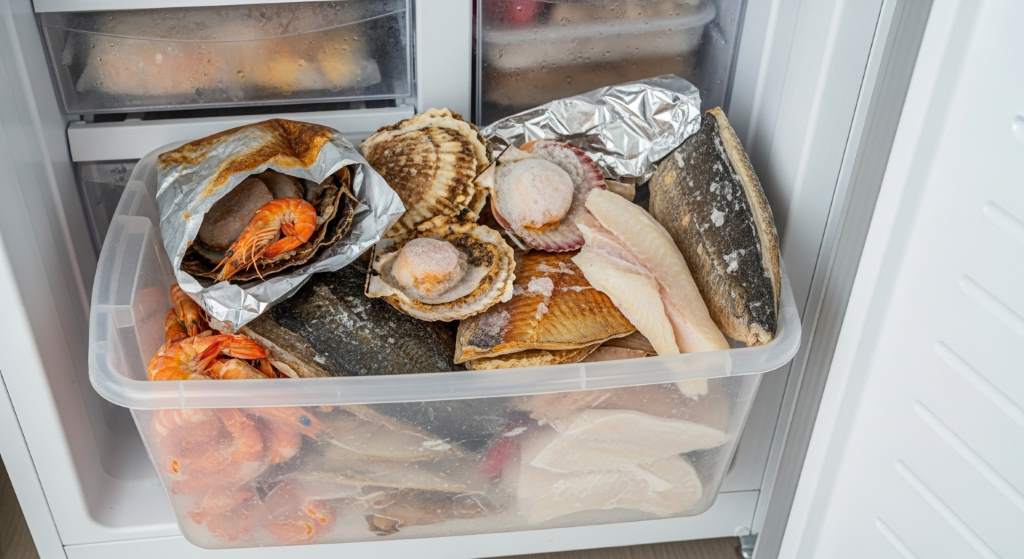
Frozen seafood remains a staple in many San Diego homes because it offers convenience, nutrition, and long shelf life. According to industry reports, Americans consume more seafood each year, while frozen products account for a significant share of seafood sales. However, many households unknowingly damage seafood quality before cooking. Families often search for topics like how to tell if frozen clams are bad, yet they overlook proper storage habits. Understanding why San Diego, CA families store frozen seafood incorrectly and ruin texture can help preserve flavor, moisture, and freshness.
Why Texture Matters in Frozen Seafood
Texture plays a major role in seafood enjoyment. Consumers expect shrimp to remain firm and fish fillets to stay flaky after cooking. Unfortunately, poor storage practices break down delicate muscle fibers over time. As a result, seafood often becomes mushy, dry, or rubbery.
Frozen seafood contains natural water within its cells. When storage conditions fluctuate, ice crystals grow larger and damage those cells. Consequently, moisture escapes during cooking and leaves seafood less appealing. Proper storage protects the structure that gives seafood its ideal texture.
The Unique Challenges of San Diego’s Coastal Climate
San Diego offers mild temperatures throughout the year. However, coastal humidity creates storage challenges that many families underestimate. Frequent freezer openings expose seafood to warm air and moisture. Therefore, frozen products experience repeated temperature changes.
Beach outings, outdoor gatherings, and frequent grocery trips also contribute to freezer traffic. Many households constantly move food in and out of storage. As temperatures shift, seafood quality slowly declines. Eventually, texture suffers long before visible spoilage appears.
The Most Common Frozen Seafood Storage Mistakes
Using the Freezer Door
The freezer door experiences the greatest temperature fluctuations. Every opening allows warm air to enter the compartment. Therefore, seafood stored in this location repeatedly thaws and refreezes. That cycle damages texture faster than most people realize.
Poor Packaging Practices
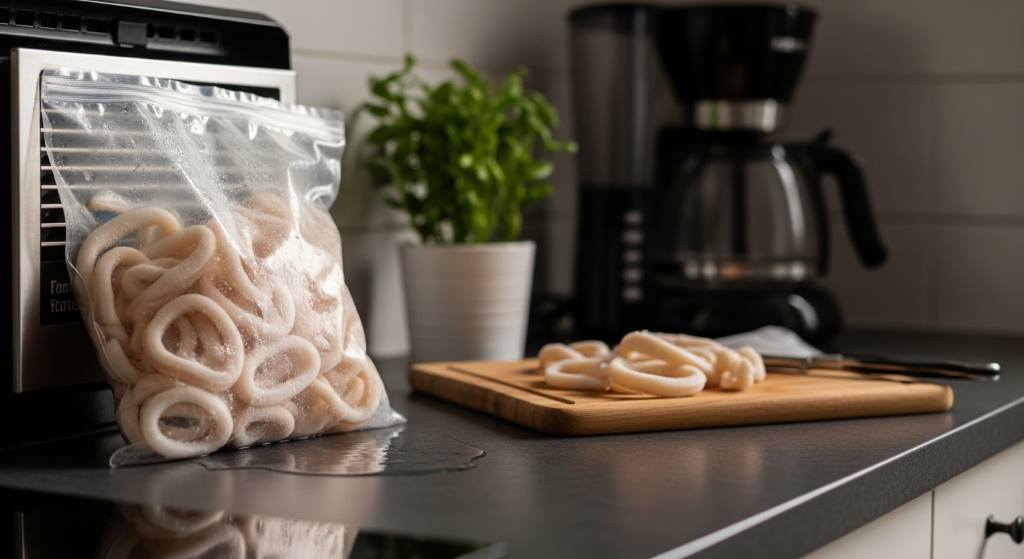
Many families leave seafood in thin store packaging. While the package works during transportation, it often fails during long-term storage. Air gradually reaches the product and causes freezer burn. Consequently, seafood loses moisture and develops a tough texture.
Overloading the Freezer
An overcrowded freezer restricts proper airflow. Cold air cannot circulate evenly around stored items. As a result, some seafood sections experience slight warming periods. Those subtle changes create texture problems over time.
Ignoring Storage Dates
Frozen seafood lasts longer than fresh seafood, but it does not maintain peak quality forever. Families often forget when products entered the freezer. Therefore, seafood may remain stored for months beyond its ideal window. Extended storage gradually reduces texture and flavor quality.
The Science Behind Texture Damage
Many blogs discuss freezer burn, but fewer explain the cellular changes involved. Seafood muscle contains tightly packed fibers that hold moisture. When large ice crystals form, they puncture these fibers. Consequently, liquid escapes during thawing and cooking.
This process creates a noticeable difference on the plate. Fish may appear watery before cooking and dry afterward. Shrimp can lose their firm bite and become soft. Therefore, proper freezing techniques protect both texture and eating quality.
An Overlooked Factor: Freezer Vibration and Ice Crystal Growth
One rarely discussed issue involves freezer vibration. Refrigerators generate small vibrations from compressors and cooling systems. Although the movement seems insignificant, it can influence ice crystal formation over long periods. This phenomenon receives little attention in consumer food storage guides.
Seafood stored near vibration-heavy areas may experience slightly different crystal growth patterns. Larger crystals contribute to more cellular damage over time. While temperature remains the primary concern, vibration adds another layer of texture risk. Therefore, placing seafood in stable freezer zones may provide additional protection.
How Improper Thawing Makes Things Worse
Storage mistakes often continue during thawing. Many people leave seafood on kitchen counters for convenience. Unfortunately, uneven warming encourages moisture loss and texture degradation. Safe thawing methods help maintain quality.
Refrigerator thawing remains the most effective option. The gradual process protects seafood structure and minimizes water loss. Additionally, it supports food safety standards. Families who rush thawing frequently notice poorer cooking results.
Best Practices for Preserving Seafood Texture
- Store seafood in the coldest section of the freezer.
- Use airtight freezer bags or vacuum-sealed packaging.
- Label packages with purchase dates.
- Avoid repeated thawing and refreezing.
- Keep freezer temperatures at or below 0°F (-18°C).
- Organize products to reduce door-open time.
These simple steps significantly improve seafood quality. Consistent cold temperatures reduce crystal growth and moisture loss. Furthermore, better packaging prevents freezer burn. Small changes often create noticeable improvements during cooking.
Comparing Seafood Storage to Other Food Preservation Habits
Food quality depends on proper handling across many categories. For example, understanding the power with brown rice pasta often involves preserving nutritional value through correct storage. Similar principles apply to frozen seafood. Proper handling protects both quality and taste.
Cooking techniques also influence final texture. People who research how long to cook chicken understand that timing affects food quality. Likewise, seafood storage determines whether cooking delivers excellent results. Great preparation starts long before the food reaches the pan.
Signs That Frozen Seafood Has Lost Texture Quality
Several warning signs indicate storage-related texture damage. Excessive ice accumulation often appears on packaging surfaces. Additionally, seafood may show dry patches or discoloration. These clues suggest moisture loss and freezer burn.
After thawing, damaged seafood frequently releases excessive liquid. Fish may feel soft or break apart easily. Shrimp can appear spongy instead of firm. Therefore, texture issues often become obvious before cooking begins.
Storage Tools That Help San Diego Families
Vacuum sealers provide one of the best defenses against texture loss. They remove air that contributes to freezer burn and dehydration. Consequently, seafood retains moisture for longer periods. Many households notice immediate improvements after switching to vacuum sealing.
Freezer thermometers also offer valuable protection. Built-in appliance displays do not always reflect actual internal temperatures. Therefore, independent monitoring helps maintain ideal storage conditions. Consistency remains the key to preserving texture.
Organization tools matter as well. Even simple storage bins reduce product movement and clutter. Similar to how tiny toothpicks big problem highlights overlooked household issues, freezer organization addresses small details that produce significant results. Better organization leads to better food quality.
How Long Should Frozen Seafood Stay in Storage?
Different seafood types maintain quality for different periods. Fatty fish generally lose quality faster than lean fish varieties. Shrimp and shellfish also benefit from shorter storage times. Therefore, rotation remains important.
- Lean fish: up to 8 months for best quality.
- Fatty fish: around 2 to 3 months.
- Shrimp: approximately 3 to 6 months.
- Scallops: about 3 months.
- Crab and lobster meat: around 2 to 4 months.
These ranges focus on maintaining texture rather than safety alone. Seafood may remain safe longer under proper conditions. However, quality steadily declines after recommended storage periods. Families who rotate inventory enjoy better results.
Building Better Seafood Habits at Home
Good storage habits begin with grocery shopping. Families should transport seafood home quickly and freeze it promptly. Delays allow temperature changes that affect long-term quality. Therefore, planning matters from the moment of purchase.
Household members should also understand proper handling procedures. Shared freezers often suffer from inconsistent practices. Clear labeling and organization reduce confusion. As a result, seafood remains in better condition until cooking day.
Conclusion
Many households never realize that storage habits determine seafood texture more than cooking methods. Temperature fluctuations, poor packaging, overcrowded freezers, and improper thawing all contribute to disappointing results. San Diego’s coastal environment creates additional challenges that require extra attention. By adopting smarter storage techniques, families can protect flavor, moisture, and texture for every meal. Start reviewing your freezer setup today and make small improvements that deliver noticeably better seafood dishes.
FAQs
Why does frozen seafood become mushy after cooking?
Large ice crystals damage muscle cells and cause moisture loss during cooking.
Can freezer burn affect seafood texture?
Yes, freezer burn removes moisture and creates dry, tough areas.
Where should seafood be stored inside the freezer?
The coldest interior section away from the freezer door works best.
Is vacuum sealing worth it for seafood?
Yes, vacuum sealing greatly reduces air exposure and texture damage.
How can I tell if frozen seafood lost quality?
Look for excess ice, discoloration, dryness, and excessive liquid after thawing.