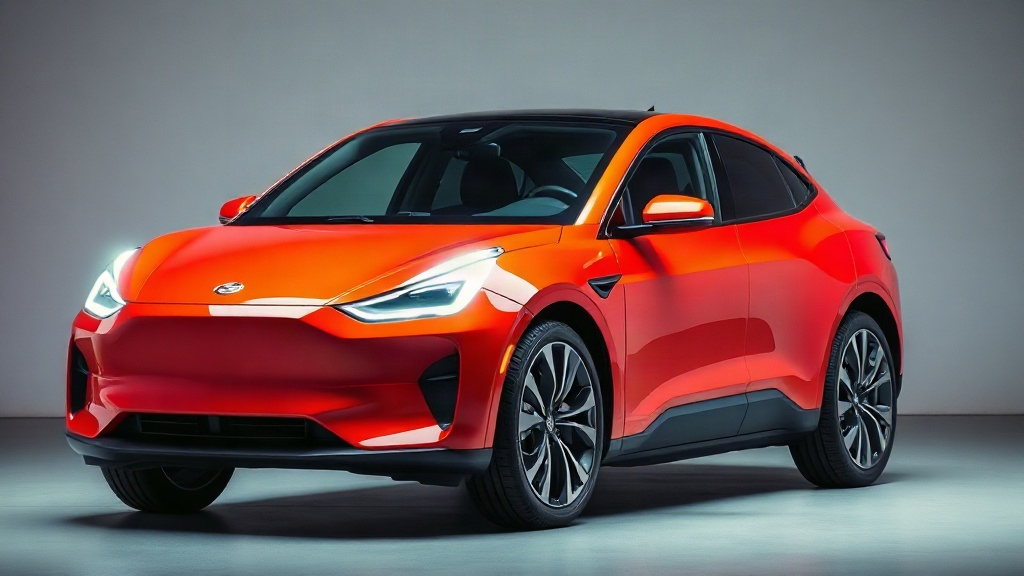
The smart cars of tomorrow will not arrive in one dramatic launch; they will reach your driveway through quiet software updates and new sensor packages. Drivers now face a practical question: which of today’s automotive trends will actually matter in daily use, and which are marketing noise? Buyers and owners need a filter, because the next decade of vehicle technology reshapes how cars are bought, insured, charged and repaired. You can compare how vehicle technology is evolving by browsing check it out and following the trends that fit your driving habits.
Quick answer: Expect smarter driver assistance, over-the-air software updates, plug-in and electric powertrains, and vehicles that talk to chargers and traffic systems. Focus on safety features you will use, your real charging situation, and long-term software support. Treat self-driving claims with caution and verify what each car can do today.
What is smart cars of tomorrow?
A smart car is a vehicle that combines sensors, software and connectivity to automate driving tasks, manage energy use, and stay updated after purchase. The smart cars of tomorrow extend that idea in three directions: richer perception (cameras, radar and lidar working together), more computing power on board, and constant data exchange with the world outside the car.
These vehicles are best understood as computers on wheels that also happen to drive. A modern car can receive over-the-air (OTA) updates that adjust braking behavior, add features or fix bugs — much like a phone update. That shift changes ownership: the car you buy on delivery day is not the car you drive three years later.
Several building blocks define the category:
- Advanced driver assistance systems (ADAS): adaptive cruise control, lane centering, automatic emergency braking and blind-spot alerts.
- Over-the-air update capability: the ability to improve software without a dealer visit.
- Connectivity: built-in cellular links for navigation data, remote diagnostics and emergency calls.
- Electrified powertrains: battery-electric and plug-in hybrid systems with software-managed range and charging.
- Digital cockpits: large screens, voice assistants and phone-as-key access.
Levels of automation matter here. Most vehicles sold today sit at Level 2, where the driver must monitor the road at all times. Level 3 allows limited eyes-off driving in specific conditions, and only a few regions permit it. Full self-driving without a human backup (Level 5) remains a research goal, not a product you can buy.
Expect the next decade to blur the line between car and service. Vehicles will schedule their own charging, warn you before a component fails, and receive safety improvements overnight. That is the practical meaning of smart.
Takeaway: Judge a smart car by what its software and sensors do reliably today, not by the promises attached to them.
Why smart cars of tomorrow matters
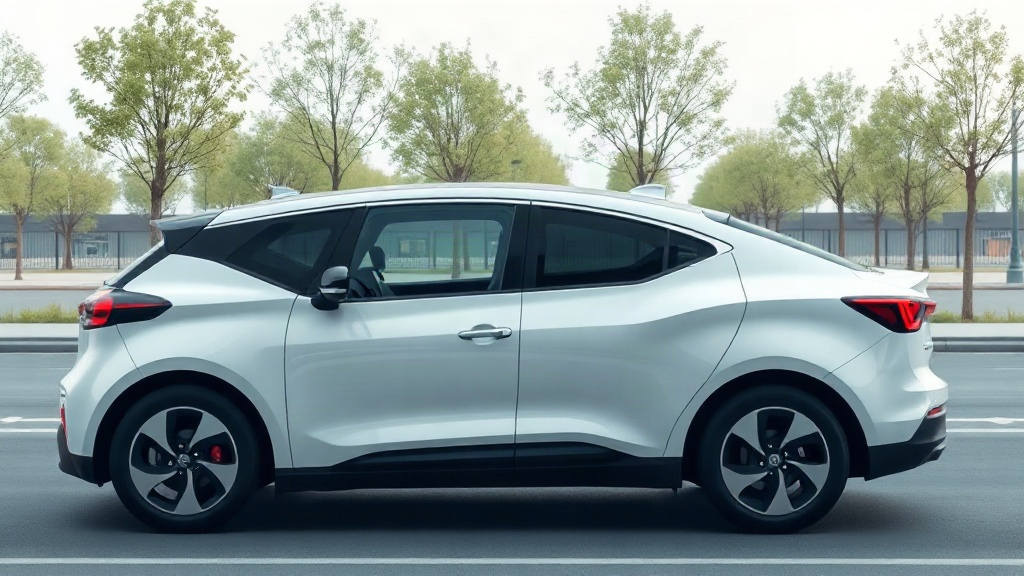
These changes affect money, safety and daily routines. Safety is the strongest case: automated emergency braking and lane-keeping already help prevent common crashes, and regulators in several regions now require some of these systems on new cars. A car that intervenes before a collision can reduce repair bills and injuries alike.
Cost of ownership is shifting too. Electric and plug-in vehicles cut fuel spending but add charging planning and battery care to your routine. Software updates can improve range or efficiency over time, yet they also create dependence on the manufacturer’s support. A brand that stops updating a five-year-old model leaves owners with stale maps and unfixed bugs.
A car’s useful life increasingly depends on how long its maker commits to updates, not just how long the engine lasts.
There is a societal angle as well. Cars that communicate with traffic lights and other vehicles can smooth traffic flow and reduce stop-and-go waste. Closed-loop systems, which feed sensor and usage data back into design and maintenance decisions, show how the future of automotive innovation connects the factory, the road and the service bay. Those loops make recalls faster and spare parts smarter.
Resale value ties directly to these trends. Buyers increasingly ask whether a used car still receives updates, whether its battery has a health report, and whether its driver-assistance hardware is current. A model with strong software support holds value better than one abandoned by its maker.
For most households, the stakes are simple. The next car you buy will likely stay in service for eight to twelve years. Choosing one with upgradeable software and proven safety features protects that investment.
Takeaway: Weigh software support and safety performance alongside price, because both shape what the car is worth in year five.
Best practices for evaluating smart cars of tomorrow
Start with your own driving pattern. Note your typical daily distance, whether you can charge at home, and how often you carry passengers or tow. These facts narrow the field faster than any feature list. A plug-in hybrid suits a driver who mostly commutes 20 miles and takes occasional long trips; a full electric car suits someone with home charging and predictable routes.
Test the assistance features on a real road, not just a showroom screen. Ask to drive a route with clear lane markings and moderate traffic. Watch how the system handles a sharp curve, a faded line or a cut-in vehicle. Systems differ widely in smoothness, and a feature that feels jerky erodes trust quickly.
Before signing, get written answers to three questions:
- How long will the manufacturer provide software and map updates? Ask for a specific commitment in years.
- What does the warranty cover on the battery and electronics? Capacity guarantees and sensor coverage vary.
- Can the car be serviced locally? Confirm that independent shops can access diagnostic tools.
Compare the practical trade-offs directly. The table below summarizes how the main powertrain choices differ for a typical buyer.
Comparison: battery-electric vs. plug-in hybrid vs. conventional
| Factor | Battery-electric | Plug-in hybrid | Conventional |
|---|---|---|---|
| Daily running cost | Lowest with home charging | Low on short trips | Highest fuel spend |
| Long-distance planning | Requires charging stops | Flexible | Flexible |
| Maintenance | Fewer moving parts | Two systems to service | Familiar routine |
| Best fit | Home charging, fixed routes | Mixed use, one car | No charging access |
Notice that the plug-in hybrid wins on flexibility but carries the maintenance burden of both systems. The electric car wins on simplicity but demands charging access.
Set up the connected features deliberately. Create the owner account, enable remote diagnostics, and review which data the car shares. Schedule updates for overnight hours so the vehicle is ready each morning.
On a used smart car, request the service record showing past software updates. Missing updates hint at weak support.
Takeaway: Match the technology to your routine, test the assistance features yourself, and get update commitments in writing.
Common mistakes to avoid
The most frequent error is buying automation you misunderstand. A Level 2 system requires your full attention, yet some drivers treat it as hands-off driving. That mistake causes collisions. Read the owner’s manual section on system limits, and treat every assistance feature as a backup rather than a replacement for attention.
Another trap is ignoring charging reality. Buyers fall for advertised range figures without checking winter performance or public charger reliability on their regular routes. A car rated for 300 miles may deliver noticeably less in cold weather at highway speed. Plan around the worst week of the year, not the best.
Owners also neglect software hygiene. Delaying updates can leave safety fixes uninstalled, and skipping account setup blocks remote features that could help in an emergency.
If a salesperson promises future self-driving capability, ask for the written feature list available at delivery.
Several smaller mistakes recur:
- Overpaying for unused features. Skip premium packages whose functions you will never enable.
- Forgetting privacy settings. Review data-sharing defaults and switch off what you do not need.
- Assuming all brands update equally. Some makers issue frequent fixes; others rarely do.
- Skipping the battery health check on a used electric car.
- Ignoring tire and sensor maintenance. Dirty or misaligned sensors degrade assistance features.
Finally, do not let enthusiasm override the test drive. A car that frustrates you in the first ten minutes will frustrate you for years. Bring a checklist, drive your actual commute route if possible, and ask about the cost of replacing a windshield that hosts cameras and radar.
Takeaway: Avoid these errors by verifying claims in writing, planning for worst-case conditions, and keeping software current.
FAQ
Do I need a fully self-driving car in the next few years?
No. Regulated Level 3 systems remain limited to specific roads and conditions, and most new cars offer Level 2 assistance. Buy proven safety features now and let automation mature.
How much extra should I budget for a smart car’s technology?
Costs vary widely by brand and package, so compare total prices rather than add-on fees. Also budget for potential sensor or windshield repairs, which cost more on cars with camera systems.
Will software updates keep adding features for free?
Some makers add features for free, while others charge subscriptions for certain services. Ask which functions require ongoing payments before you buy.
Is a used smart car a safe purchase?
It can be, if you verify the update history, battery health report, and warranty status. Cars with active software support age better than abandoned models.
What happens when a manufacturer stops supporting a model?
Maps and remote features may degrade, though core driving functions remain. Choose brands with a public, long-term support policy to limit that risk.
Conclusion
The smart cars of tomorrow reward buyers who plan. Prioritize safety systems you will genuinely use, confirm charging access before choosing electric power, and demand written commitments on software support. Test assistance features on real roads and keep updates current after purchase. Your next step is a shortlist: pick three models that fit your routine, then verify each one’s update policy and battery warranty before any test drive. That sequence turns an overwhelming market into a clear, defensible decision you can live with for a decade.