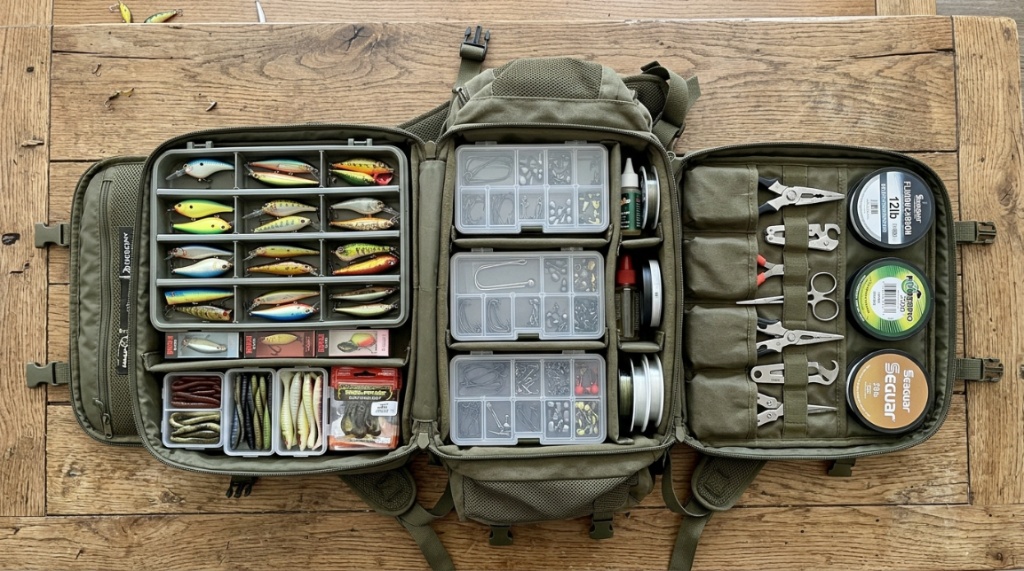
You know the drill. You pull up to your favorite spot, unload three separate bags, a clunky tackle box, and a rod case that barely fits in the trunk. By the time you’re geared up, the fish have stopped biting. Worse, every season you’re replacing broken zippers, lost lures, and tangled line. The financial sinkhole of traditional fishing storage is real. But there’s a smarter, leaner way to approach your kit without sacrificing organization or breaking the bank. An all-in-one fishing backpack consolidates your entire setup into one efficient system, and that consolidation directly translates into long-term savings.
This isn’t just about buying one bag instead of three. It’s about changing how you invest in gear, how you maintain it, and how you approach every trip. Let’s break down the hard numbers, the practical strategies, and the common pitfalls that cost you cash – so you can keep more money in your pocket and more fish on your line.
Why Does an All-in-One Fishing Backpack Save You More Money Than Traditional Tackle Storage?
An all-in-one system saves money primarily by eliminating the need for redundant purchases, reducing gear loss, and extending the lifespan of your equipment. Traditional setups often lead to double-buying items because gear gets lost or forgotten across multiple bags.
When you consolidate, you create a single point of truth for your gear. You instantly know what you own, what needs replacing, and what you actually use. This stops the cycle of buying a new pack of hooks because you can’t find the one you bought last month.
The “Out of Sight, Out of Mind” Tax
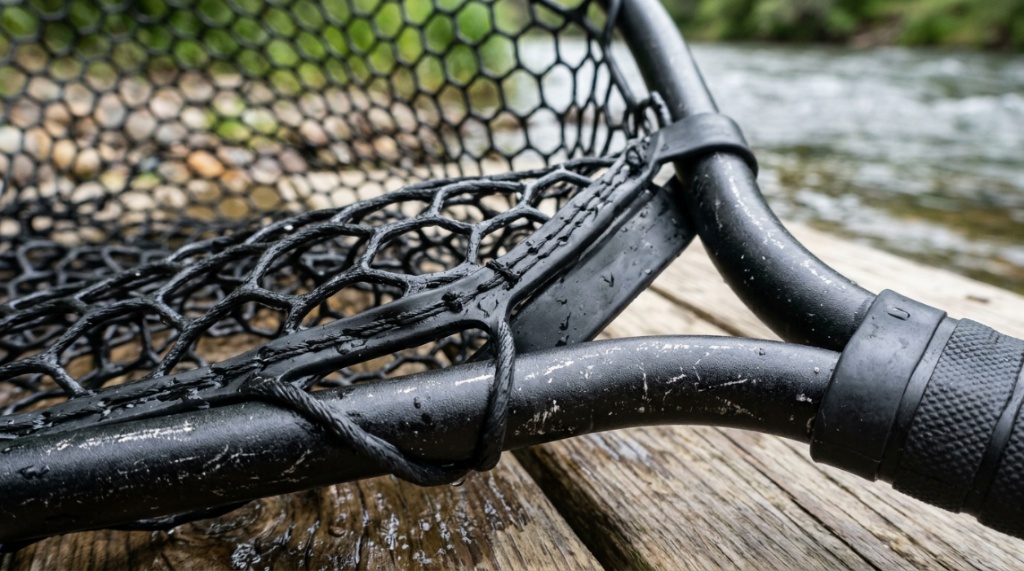
Every angler pays this tax. You own a specific crankbait, but it’s buried in the bottom of a duffel bag you haven’t opened since spring. So, you buy another one. Multiply that by dozens of items, and you’ve spent hundreds on duplicates. An all-in-one backpack forces you to consolidate, making your inventory visible and accessible. The clear organizational pockets mean you see that crankbait every time you open the bag, so you stop buying replacementsBefore hitting the water, make sure you also choose a durable fishing net Georgia waters demand for your next trip.
Consolidation Prevents the “Just in Case” Overbuying
With multiple bags, you tend to pack for every possible scenario because you have the space. This leads to buying gear you don’t need. The fixed capacity of a backpack forces you to be selective. You bring only the proven lures and essential tools, which reduces the impulse to buy new gear that just sits in a drawer.
One System, One Upgrade Path
Instead of upgrading a rod case, then a separate tackle box, you direct all your upgrade budget into a single, high-quality system. This focused investment means you buy better gear less frequently, which is always cheaper than buying low-quality items repeatedly.
What Hidden Costs Are You Paying with Multi-Bag Fishing Setups?
You are paying for time, fuel, and gear replacement. The direct costs are obvious, but the indirect costs of wasted time and inefficiency quietly drain your fishing budget. Switching to a consolidated system addresses these hidden fees directly.
The Fuel and Time Penalty
Every time you forget a critical piece of gear, you either fish without it or drive home to get it. That’s wasted gas and hours that could be spent fishing. An all-in-one backpack ensures you have a checklist-ready system. You grab one bag, and you know you’re complete, which saves on fuel costs and maximizes your actual fishing time.
The Replacement Cycle
Cheaper tackle boxes and bags break easily. Zippers bind, straps snap, and hinges crack. The cost of replacing these cheap items every season adds up quickly. A durable all-in-one backpack, built with quality materials, survives for years. The upfront cost is higher, but the cost per use drops dramatically, making it the more economical choice.
The “Lost Lure” Liability
When you use multiple plastic cases, it’s easy to leave one on the tailgate of your truck. That’s a $20 loss right there. A backpack that you wear keeps your investment on your body, not your bumper. The single-unit design minimizes the chances of leaving a critical piece of gear behind.
| Cost Factor | Multi-Bag Setup | All-in-One Backpack |
|---|---|---|
| Upfront Purchase Price | Low ($30-$60) | Medium-High ($80-$150) |
| Annual Replacement Rate | High (Replacing bags annually) | Low (Lasts 3-5 years) |
| Gear Duplication Loss | High (Frequent re-buying) | Very Low (Visible inventory) |
| Fuel Cost (Forgotten Items) | High (Extra trips) | Minimal (Always complete) |
| Long-Term Investment (5 Years) | $200 – $400+ | $100 – $200 |
Table 1: Long-term cost comparison between traditional setups and an all-in-one system.
How to Choose a Cost-Effective All-in-One Fishing Backpack That Lasts?
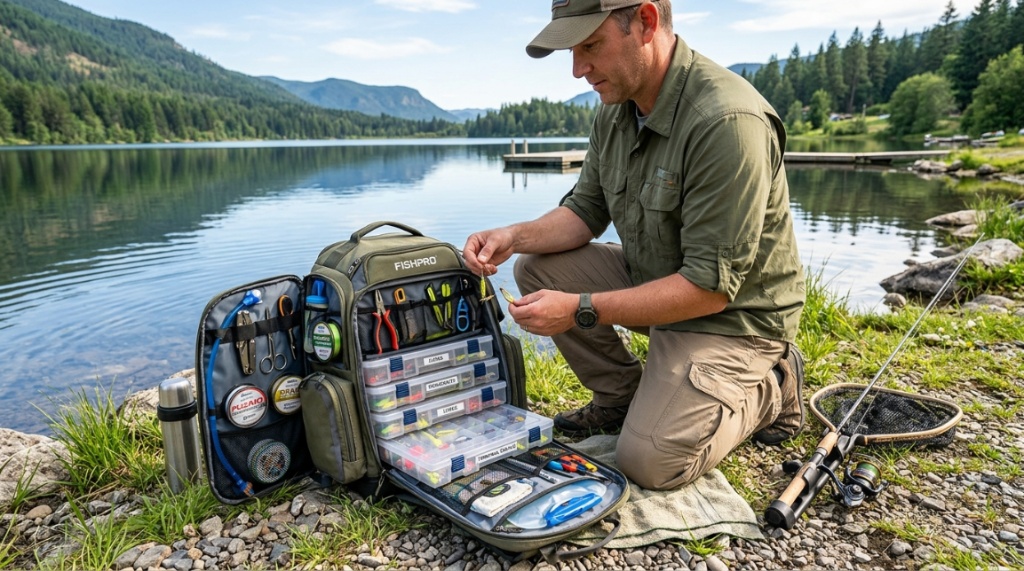
Look for durability, not just capacity. The most economical backpack is the one you only buy once. Prioritize heavy-duty zippers, reinforced stitching, and water-resistant or waterproof materials.
Don’t get seduced by a massive capacity that holds everything you own. A smaller, more organized backpack forces you to be selective, which saves weight and reduces the temptation to carry (and buy) excessive gear.
Check the Zipper and Stitch Quality First
Zippers are the #1 failure point on any bag. Look for YKK zippers, which are industry-standard for durability. Also, check the stitching on the shoulder straps and handle. Double-stitched seams indicate the bag can handle the weight of heavy tackle without ripping apart.
Understand the Material Density (Denier)
Fabric weight is measured in Denier (D). A higher number means a thicker, more durable fabric. Look for 600D or 1200D polyester for optimal balance of weight and durability. Avoid anything below 300D, as it will likely tear under normal load.
Assess the Organizational Layout
The best money-saving feature is organization. Look for dedicated slots for pliers, a fleece-lined pocket for sunglasses, and multiple internal dividers. This organization prevents damage to your gear, which prevents replacement costs. A well-organized backpack is an investment in your gear’s longevity.
Which Features in a Fishing Backpack Reduce the Need for Extra Gear?
The specific features of a backpack can eliminate the need to buy separate gadgets. Features like built-in rod holders, tool loops, and integrated rain covers replace the need for separate accessories, saving you money immediately.
When a backpack integrates these functions, you don’t have to buy a separate rod holder or a dedicated rain cover. This consolidation of features is where the real cost savings come in.
Built-In Rod Holders Eliminate the Need for a Separate Rack
Many all-in-one backpacks feature side straps that hold a rod or two. This eliminates the need to buy a separate rod carrier for hiking to a remote spot. You can keep your hands free and secure your rod, all with in the same system.
Tool Loops and Sheaths Replace a Separate Pouch
Instead of buying a designated leather pouch for your pliers, a backpack with a side compression strap and tool loops keeps your pliers at hand. This saves you the $15-$20 you would spend on a separate plier holster.
Integrated Rain Covers Protect Your Existing Gear
Moisture is the enemy of tackle. Rusted hooks and corroded reels cost money to replace. A backpack with a built-in, stowable rain cover protects your investment from downpours, ensuring your expensive lures don’t rust, which reduces the frequency of replacement.
How Does the All-in-One Backpack Reduce Gear Damage and Replacement Costs?
Damage typically happens when gear is tossed loose in a trunk or banged against other metal objects. A backpack provides padded, structured compartments that keep your reels and lures safe, significantly extending their life.
Protecting your reels is crucial. The cost of replacing a $100 reel due to a broken bail or bent handle is far higher than the cost of a padded backpack. It’s simple economics: preventative protection is cheaper than replacement.
Padded Reel Cradles Protect Your Investment
Look for a backpack with a dedicated, padded reel compartment. This keeps your reel secure during transport, preventing dings and knocks that can misalign gears. A safe reel is a reel you don’t have to send for repairs, saving you $50-$100 in service fees.
Dedicated Lure Boxes Prevent Tangles and Loss
Loose hooks tangle and break lines. A backpack with insertable lure boxes keeps hooks sharp and snag-free. This means less wasted line (saving you $10-$20 per spool) and less time re-tying knots, which is directly correlated with more effective fishing time.
Structural Rigidity Keeps Soft Plastics Usable
Soft plastic baits get crushed in overstuffed bags. A structured backpack allows you to create a flat layer for these baits, preventing them from melting into a useless blob. This saves you money by ensuring you actually use the baits you bought, rather than throwing them away.
When Is an All-in-One Fishing Backpack the Smartest Investment for Short Trips?
For any trip that involves walking more than 100 yards from your vehicle, an all-in-one backpack is the smartest investment. The hands-free design and balanced weight allow you to travel further and safer, opening up new fishing spots that others can’t easily reach.
The efficiency gains are immediate. On a bank fishing trip, carrying one bag is faster than shuttling three pieces of equipment. This ease of transport encourages you to fish more effectively, making the cost per session of the backpack lower.
Bank Fishing and Kayak Fishing Scenarios
When you’re wading or in a kayak, space is at a premium. A backpack fits behind a kayak seat and stays dry. For bank fishing, it leaves one hand free for a net. Adaptability like this isn’t just convenient; it prevents you from needing specialized bags for each niche, saving money.
The Minimalist Approach Reduces Impulse Buys
When you are limited by a backpack, you learn to catch fish with fewer tools. This mental shift is powerful. You realize you don’t need the new gadget because your backpack just doesn’t have room. This built-in limitation is the most effective way to stop spending money on tackle you don’t need.
Can a Premium Backpack Be Cheaper Than Multiple Cheap Tackle Boxes?
Absolutely. A premium backpack costing $120 can outlast three $40 tackle boxes that break over a two-year span. The premium bag often has life-time warranties or better repair options, which further skews the ROI in its favor.
Consider the cost-per-use model. If you fish 40 times a year, a $120 backpack costs $3 per trip in its first year. A $40 duffel bag replacement every year costs $1 per trip, but it also causes you to lose tackle and time, which is a hidden cost.
Calculating the “Cost Per Trip” Metric
Stop thinking about the sticker price. Calculate how long the bag will last. A quality backpack should last at least 500 trips. If you pay $150, that’s 30 cents per trip. A $30 cheap bag lasts 50 trips ($0.60 per trip) but also causes $100 in lost tackle. The math is clear: premium is cheaper.
The Resale Value Factor
High-quality outdoor gear retains value. You can sell a gently used premium backpack, but you can’t sell a broken, flimsy tackle box. The secondary market can recoup 30-50% of your initial investment, making the premium option even more cost-effective over time.
How to Repurpose and Organize Your Backpack to Avoid Overbuying Tackle?
Start by taking an inventory of everything you own. Use the backpack’s compartments as a method of limiting your collection. If it doesn’t fit, you have to make a choice: swap it out or leave it home. This physical constraint is the best budgeting tool you can have.
Use the 80/20 rule. 80% of the fish you catch are caught with 20% of your lures. The backpack helps you isolate that 20%. By forcing you to pack light, you naturally gravitate toward your confidence baits, which are the ones that work.
Utilize the “One-In, One-Out” Rule
For every new lure you bring into the backpack, you must remove an old one. This is a self-imposed limit that curbs impulse buying. You only add new tackle if it is better than something you already have, which raises the quality of your kit without increasing the quantity.
Rotate Seasonal Gear, Don’t Hoard
Swap out deep-divers for topwater frogs as the season changes. The backpack makes this easy. Instead of owning duplicates for every season, you buy one quality version for each scenario and switch them out. This halves the amount of money you need to spend on tackle over a year.
Can You Use an All-in-One Fishing Backpack as Your Only Gear System?
Yes, for the vast majority of anglers, a good backpack can fully replace all other bags. Unless you are surf fishing with 10-foot rods or on a multi-day expedition requiring a boat bag, a backpack is sufficient.
Modern backpacks are designed to hold everything: tackle, tools, food, and even a water bladder. By replacing your multiple systems, you simplify your life and your expenses. It is the ultimate tool for the mobile angler.
What It Can’t Replace
It won’t replace a large, wheeled cooler for a weekend boat trip. But it can replace the duffel bag you used to bring on the boat. It’s about replacing the redundancy in your carrying system, not the specialized heavy-duty items like a cooler or a large rod tube.
For general freshwater and pier fishing, this is the only bag you need. This consolidation is what ultimately saves you the most money—not buying unnecessary storage solutions for gear you use once a year. Check out a curated list of top-rated options to find the perfect all-in-one fishing backpack that fits your specific fishing style and budget in Texas or across the US.
What Are the Long-Term Maintenance Tips to Extend the Life of Your Backpack?
Proper care directly translates to cost savings. A fifteen-minute rinse after a saltwater trip can add years to the life of your backpack’s zippers and straps. Never store the bag soaking wet or in direct sunlight.
Replacing a zipper pull or a loose stitch early is cheaper than replacing the entire bag. Regular inspection prevents small issues from becoming catastrophic failures.
Cleaning Procedures for Fresh and Saltwater
Rinse with fresh water after saltwater trips. Use a mild soap and a soft brush to clean off grime. Let it air dry completely before storing to prevent mold and mildew, which can degrade the fabric and weaken the seams.
Zipper Care and Lubrication
If zippers stick, don’t force them. Rub a bar of soap or a dedicated zipper lubricant along the teeth to smooth the action. This prevents the stress that usually breaks the zipper pull mechanism, saving you a costly repair or replacement.
Storing the Backpack Properly in the Off-Season
Don’t just throw it in the garage. Empty all tackle, wipe it clean, and hang it or lay it flat in a climate-controlled area. Avoid storing heavy gear inside the bag for extended periods, as this can compress the padding and deform the frame, destroying its structural integrity.
Frequently Asked Questions
Is an all-in-one fishing backpack practical for fly fishing?
Yes. Many models feature fleece-lined pockets perfect for fly boxes and expandable bottle holders for wading boots. They are excellent for hike-in fishing once you remove the metal lure boxes.
How much weight can a typical all-in-one fishing backpack carry?
Most durable backpacks are designed to carry between 20 to 30 pounds comfortably. It’s better to keep it under 15 pounds for long hikes to reduce fatigue.
Can you fit a 7-foot rod in an all-in-one backpack?
Not inside the main compartment, but most models have external rod straps. This allows you to attach a 6-7 foot rod to the outside of the bag, leaving your hands free for other gear.
Are water-resistant backpacks worth the extra money?
Yes. Even a water-resistant (not waterproof) coating prevents moisture from seeping in during light rain and keeps your gear dry from splashes. The cost of a water-resistant version is lower than the cost of replacing a rusted reel after it gets wet.
What is the best way to clean a moldy fishing backpack?
Use a mixture of warm water and white vinegar (1:1 ratio). Scrub the affected area, rinse thoroughly, and dry in direct sunlight. Sunlight kills mold spores that vinegar leaves behind.
Can a backpack serve as a carry-on for fishing travel?
Yes, most backpack sizes are compliant with airline carry-on size regulations. However, ensure your tools (like pliers) are packed in checked luggage to pass security.
How do I fix a torn strap on my fishing backpack?
For a temporary fix, use a thread and needle with a strong stitch. For a permanent fix, take it to a cobbler or repair shop that specializes in outdoor gear. Repairability is a key feature of premium backpacks.
Conclusion
Moving to an all-in-one fishing backpack isn’t just a convenience upgrade; it’s a financial strategy. By consolidating your gear, you reduce the costly cycle of duplicates, prevent damage, and cut out the inefficiency of multiple bags. The upfront investment in a quality system pays for itself several times over across years of fishing.
Start with a plan. Evaluate your current gear, sell the redundant bags, and make the switch. You’ll feel the difference immediately on your back and in your wallet. Don’t wait for your current cheap bag to fall apart at the seams; make the transition now and start saving on your next trip to the water. The control you gain over your gear and your budget is worth the investment.