

Glass skin looks effortless in photos and nearly impossible in a bathroom mirror. The phrase describes skin so smooth and reflective that it appears lit from within, and it has become one of the most exported ideas in Korean beauty. What most trend summaries miss is that glass skin is not a single product — it is a layering strategy built on hydration, barrier support, and light reflection. Collagen creams have become part of that conversation, and if you want to see how one of the most talked-about formulas fits into it, you can read the full Medicube collagen cream review. Here is what the science and the culture actually say.
Quick Answer
Glass skin is the visible result of three things working together: a well-hydrated outer layer, an intact skin barrier that keeps that water from escaping, and a smooth surface that reflects light evenly instead of scattering it. No cream creates it alone. The Korean approach layers thin hydrating products under a sealing moisturizer, then protects the result with daily sunscreen. Genetics, oiliness, and pore size all affect how close you can realistically get — and that is normal, not failure.
Key Takeaways
- Glass skin is a finish produced by hydration plus barrier health, not by one hero ingredient or product category.
- Collagen in skincare mostly works as a humectant and film-former on the surface, since intact collagen molecules are too large to penetrate deeply into the dermis.
- Layering order matters more than product count: watery hydrators first, thicker sealants last, sunscreen always on top in the morning.
- Over-layering can backfire. Too many occlusive layers on acne-prone skin can trigger congestion rather than glow.
- Photographs of glass skin involve lighting, angles, and often filters, so comparing your bare face to a styled image is an unfair benchmark.
What Glass Skin Actually Means
Glass skin describes a complexion that looks translucent, even-toned, and highly reflective — closer to polished glass than to the matte finish that dominated Western beauty for years. The Korean term behind the trend, yuri pibu, translates roughly to “glass skin,” and it entered global beauty vocabulary around 2017 through K-pop and K-drama fandom.
The important distinction is that glass skin is a finish, not a skin type. Someone with oily skin can have it. Someone with dry skin can have it. What changes is the route to get there. Oily skin already produces natural oils that reflect light, so it often needs more water and less heavy cream. Dry skin typically needs both water and a sealing layer, because without occlusion the water evaporates within minutes, Achieving a radiant, luminous complexion takes daily dedication, much like how preparing for family gatherings requires careful timing—especially when you want to avoid any unexpected thanksgiving feasts & makeup mishaps.
Why the finish looks the way it does
Light behaves predictably on skin. A rough surface with flaking, uneven texture, or visible pores scatters light in many directions, which reads as dullness. A smooth, uniformly hydrated surface reflects light in a more organized way, which reads as glow. This is why exfoliation and hydration both matter — one smooths the terrain, the other fills it in.
The Science: Hydration, Barrier, and Light
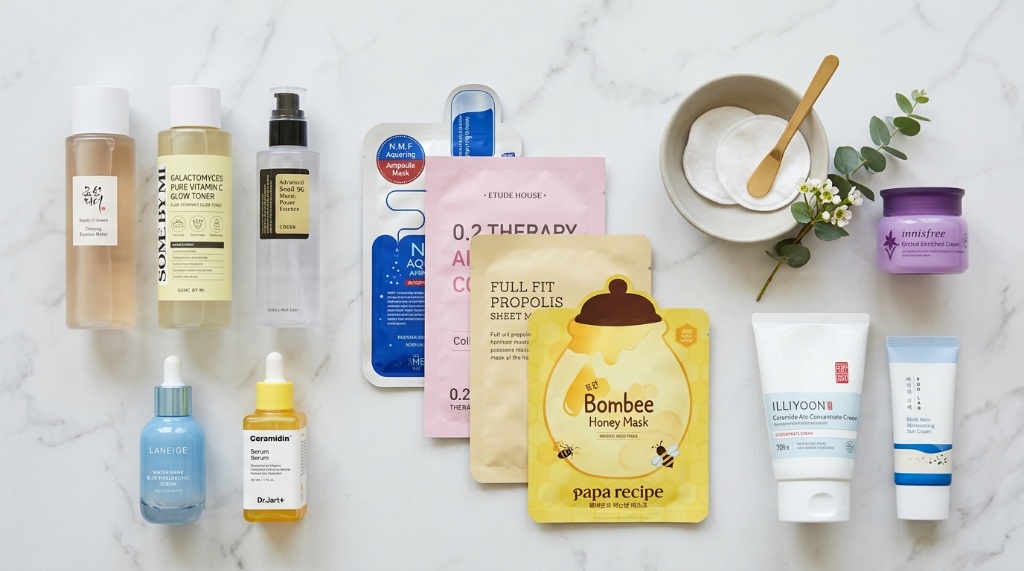
Three mechanisms do most of the work in any glass skin routine. Understanding them makes it much easier to judge whether a product is actually contributing or just adding steps.
Humectants pull water in
Humectants attract and hold water in the upper layers of the skin. Glycerin, hyaluronic acid, panthenol, and many collagen-derived peptides fall into this category. They are the reason a hydrating toner or essence makes skin look plumper within minutes.
The catch: humectants need something on top of them. In very dry air, a humectant with no sealant can pull moisture from deeper skin layers toward the surface, where it then evaporates. This is why a hydrating serum alone often leaves skin feeling tight an hour later.
Emollients smooth the surface
Emollients fill the gaps between skin cells and soften the surface, which is what creates that immediate “soft focus” look. Many plant oils, fatty alcohols, and esters act this way. They do not add much water, but they make the skin feel and photograph smoother.
Occlusives slow water loss
Occlusives form a film that reduces transepidermal water loss — the constant evaporation of water through the skin. Petrolatum, dimethicone, shea butter, and various waxes are common examples. This is the step that makes the difference last longer than a few hours.
| Type | Main job | Common examples | Best for |
|---|---|---|---|
| Humectant | Draws and holds water | Glycerin, hyaluronic acid, panthenol | Anyone; essential for dry or dehydrated skin |
| Emollient | Softens and smooths surface | Plant oils, fatty alcohols, esters | Rough texture, flaking, dullness |
| Occlusive | Reduces water loss | Petrolatum, dimethicone, shea butter | Dry skin, night routines, winter |
Where Collagen Fits — and Where It Doesn’t
Collagen is the most abundant structural protein in skin, and its gradual decline with age contributes to sagging and thinning. That fact is real. The marketing leap — that applying collagen topically replaces what is lost — is where things get overstated.
Intact collagen molecules are far too large to pass through the skin barrier. What collagen ingredients actually do depends heavily on how they are processed:
- Hydrolyzed collagen is broken into smaller peptides. These can sit on the surface and act as humectants and film-formers, giving a temporary plumping and smoothing effect.
- Collagen as a supporting ingredient in a formula with glycerin, hyaluronic acid, or niacinamide mainly contributes texture and hydration rather than structural change.
- Collagen applied topically does not rebuild the dermal collagen network. Procedures like microneedling and lasers, and ingredients like retinoids and vitamin C, have far better evidence for influencing collagen production.
None of this makes collagen creams useless. It makes them a hydration and finish tool rather than an anti-aging restructuring tool. A jelly-textured collagen cream, for example, typically delivers lightweight, non-greasy moisture that layers well under sunscreen — which is exactly the role glass skin routines need filled.
The Cultural Side: Why Korea, and Why Now
Glass skin did not emerge from a single product launch. It grew out of a broader Korean beauty philosophy that treats skincare as maintenance rather than correction — daily, layered, and preventive. Sunscreen is used habitually rather than seasonally. Hydration is prioritized over aggressive exfoliation. The goal is a stable baseline, not a dramatic transformation.
Three forces pushed the trend global:
- K-pop and K-drama visibility. Idols and actors with visibly luminous skin became reference points, and fans wanted to replicate the look.
- Social media format. Layered routines are visually satisfying to watch, which made them highly shareable as short-form content.
- Product accessibility. Affordable Korean essences, toners, and ampoules made a multi-step routine feel achievable rather than luxury-only.
There is also a less comfortable part of the story. Much of what people see online is optimized for cameras: ring lights, high-quality lenses, smoothing filters, and editorial retouching. Treating those images as a realistic target sets people up to feel like they are failing at something that was never fully real to begin with.
A Practical Glass Skin Routine That Actually Works
The order below reflects how the ingredients function, not how many products you can fit on a shelf. Three to five steps done consistently will outperform ten steps done sporadically.
- Cleanse gently. A low-pH cleanser in the morning; double cleansing at night only if you wore sunscreen or makeup. Harsh cleansing strips the barrier and undoes everything that follows.
- Apply a hydrating toner or essence to damp skin. Patting watery layers into slightly damp skin improves absorption and reduces the tight feeling that follows cleansing.
- Add a serum or ampoule. This is where you target specific concerns — niacinamide for tone, vitamin C for brightness, retinoids at night for texture. Do not stack three actives at once.
- Seal with a moisturizer. A lightweight gel or jelly cream suits oily and combination skin; a richer cream suits dry skin. This is the step that holds the water in.
- Finish with sunscreen every morning. Broad-spectrum SPF 30 or higher. Without it, the uneven tone and texture that dull the finish will keep returning.
Adjusting for your skin type
Oily and acne-prone skin usually does best with humectant-heavy, low-occlusive formulas and one exfoliating step two or three times a week. Dry skin benefits from layering two hydrating steps before the moisturizer and using a richer occlusive at night. Sensitive skin should introduce one new product at a time and wait at least a week before judging it, Achieving a radiant, luminous complexion takes daily dedication, much like how preparing for family gatherings requires careful timing—especially when you want to avoid any unexpected thanksgiving feasts & makeup mishaps.
Common Mistakes and Honest Limitations
Most people who try a glass skin routine and quit do so for one of a few predictable reasons.
- Adding steps without adding water. Layering five products that are all occlusive creates congestion, not glow. Hydration has to come first.
- Over-exfoliating for smoothness. Daily acids or scrubs damage the barrier, which increases water loss and makes skin look duller, not clearer.
- Skipping sunscreen. Pigmentation and uneven tone are the fastest ways to lose the reflective finish.
- Expecting pore elimination. Pore size is largely structural. Hydration can make pores look smaller by plumping the surrounding skin, but it will not remove them.
- Judging results by photographs. Compare your skin to your own skin two weeks ago under the same lighting, not to a filtered image.
There are also genuine limits. Genetic factors, active acne, rosacea, melasma, and scarring all affect how smooth and even a complexion can become through topical skincare alone. For those concerns, a dermatologist can offer options that no routine can replicate.
Frequently Asked Questions
How long does it take to see glass skin results?
Hydration-related plumping can appear within days, but visible improvements in tone and texture typically take four to eight weeks of consistent routine. Barrier repair after over-exfoliation usually takes two to four weeks.
Is glass skin achievable for oily or acne-prone skin?
Yes, with adjustments. Oily skin already reflects light well, so the focus shifts to hydration and gentle exfoliation rather than heavy creams. Avoid stacking occlusive layers, which can worsen congestion.
Does collagen cream actually build collagen in the skin?
Topically applied collagen does not meaningfully rebuild the dermal collagen network because the molecules are too large to penetrate. It works primarily as a surface humectant and film-former, providing hydration and a temporary smoothing effect.
Do I need ten steps to get glass skin?
No. A gentle cleanser, a hydrating layer, a moisturizer, and daily sunscreen cover most of the benefit. Additional steps help only when they address a specific concern you actually have.
Can glass skin be maintained without expensive products?
Yes. The core mechanisms — hydration, barrier support, and sun protection — are available at nearly every price point. Cost tends to affect texture, scent, and formulation elegance more than the fundamentals.
Why does my skin look dull even when it feels moisturized?
Moisture and surface smoothness are different things. Dullness often comes from accumulated dead cells, uneven tone, or dehydration rather than lack of oil. A gentle exfoliant once or twice a week plus consistent sunscreen usually addresses it.
Conclusion
Glass skin is best understood as a layered hydration and barrier strategy that produces a reflective finish — not as a product you can buy in a single jar. Get the fundamentals right: cleanse gently, hydrate on damp skin, seal with an appropriate moisturizer, and wear sunscreen daily. Treat collagen creams as useful hydration and texture tools rather than structural anti-aging treatments. Give any routine four to eight weeks before judging it, and measure progress against your own skin under consistent lighting rather than against retouched images.


