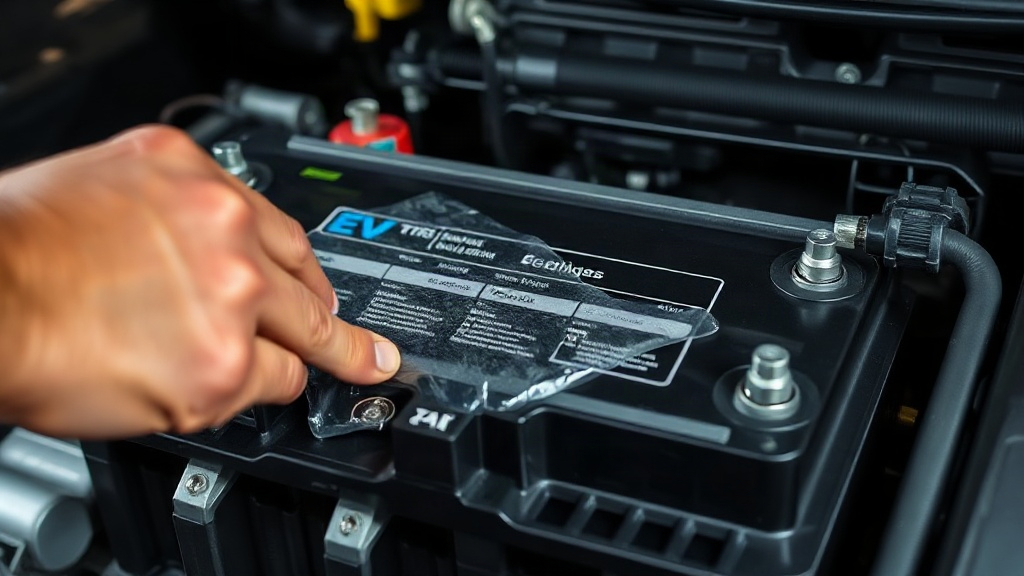
A clogged cooling plate or condenser shows up as slower DC fast charging, weak cabin cooling, or a warning light. Learning how to clean ev battery cooling plate and cabin condenser fins safely comes down to three rules: keep water away from the battery enclosure, never bend the fins, and use low-pressure tools.
Quick answer: Park on a level surface, disconnect the 12V battery or follow the automaker’s service procedure, then blow debris out with low-pressure compressed air or rinse with a gentle stream of water. Clean the battery cooling plate and the front-mounted condenser separately, keep water and chemicals out of the high-voltage pack, and never use a pressure washer on fins.
This guide covers the tools you need, a step-by-step process, practical tips, and the mistakes that damage fins. You will also get honest answers about timing, cost, and when to hand the job to a certified technician.
What you need before starting
Gather everything first. A mid-job trip to the parts store breaks your rhythm and invites shortcuts.
Basic tool list:
- Low-pressure compressed air (under 30 psi at the nozzle) or a can of electronics duster for tight gaps
- A soft fin comb or nylon brush
- A garden hose with a spray nozzle
- Coil cleaner labeled safe for aluminum
- Nitrile gloves and safety glasses
- A plastic scraper or soft detailing brush
- Shop towels and a debris bag
- A work light or headlamp
- Wheel ramps or a jack with stands if you need to reach the undertray
For the EV battery cooling plate, set aside a few extra items. You need the owner’s manual’s service-disconnect instructions and, on some models, basic insulated tools for the 12V negative cable.
Know which parts you are touching. The battery cooling plate sits under the pack, usually behind a plastic undertray. It often uses coolant channels or a flat plate with fins. The cabin condenser sits at the front of the car, ahead of the radiator. Debris collects on both from the same sources: road dust, pollen, leaves, and winter salt.
Check the warranty first. Some manufacturers treat condenser damage from cleaning as accidental damage. A quick call or a look at your warranty booklet tells you if a dealer service is the safer path.
High-voltage hazard The EV pack runs at hundreds of volts. Never remove bolts that hold the battery enclosure, and never spray water directly into connector housings. If you see orange cabling, stop and step back.
Timing and weather. Pick a dry day with mild temperatures. Rubber seals and plastics flex better in warm weather, and you need the fins to dry fully before reassembly. Work in shade so you can see dust and bent fins clearly.
A safety check. Before you start, confirm the coolant reservoir level is normal. A dropping level can mean a leak that cleaning will not fix. That is a technician job.
Step-by-step instructions
Follow these steps in order. Each step has a clear finish line, so you know when to move on.
Step 1: Park and prepare the car
Set the car on a level surface with the parking brake on. Switch off the vehicle and let it sit for at least 30 minutes so hot surfaces cool. Put on gloves and glasses.
Finish line: The car is off, cool, and stable.
Step 2: Disconnect the 12V battery or use service mode
Follow the owner’s manual for the 12V disconnect or service mode. On many EVs, this prevents fans and pumps from starting while you work near the front end. Do not touch the high-voltage system.
Finish line: The low-voltage system is off per the manual.
Step 3: Access the battery cooling plate
Remove the undertray fasteners by hand or with the correct socket. Set them in a tray so you do not lose them. You should now see the flat cooling plate, often with fins or a fine dust layer.
Finish line: The plate is visible and fasteners are bagged.
Step 4: Dry-clean the plate first
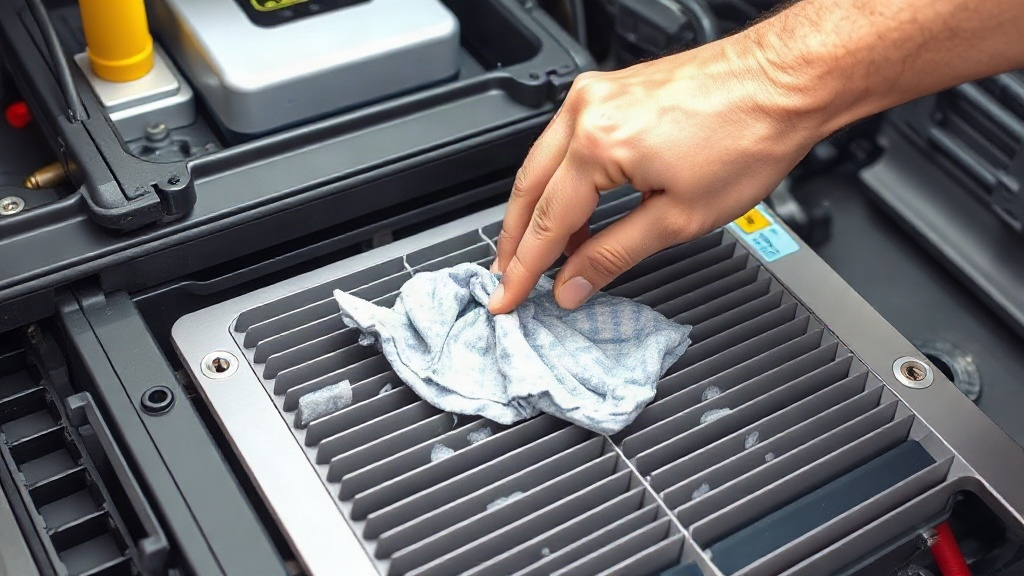
Blow dust and grit off with low-pressure air, working from the top edge downward. Then loosen packed dirt with a soft brush. Never scrape with a metal tool, which will bend fins and scratch the plate.
Finish line: Loose debris is gone and fins look straight.
Step 5: Rinse and clean the plate gently
Spray water from the garden hose at a gentle angle. Use a small amount of aluminum-safe coil cleaner on stubborn grime if the manufacturer allows it. Rinse thoroughly and keep the spray away from connectors and the pack seal.
Finish line: The plate surface is clean and free of cleaner residue.
Step 6: Clean the cabin condenser fins
Move to the front grille area. Use a fin comb on any bent fins, nudging them back gently. Blow out leaves and bugs with low-pressure air, then rinse from front to back so debris exits out the same way it entered.
Wet before you blow Lightly mist the condenser before using air. A light mist keeps dust from billowing into the air, so debris clings to the towel instead of your face.
Finish line: Air moves freely through the condenser and fins look straight.
Step 7: Dry, inspect, and reassemble
Use a towel and a few minutes of air drying. Look for cracks, bent fins, or signs of coolant leaks. Reinstall the undertray, reconnect the 12V battery, and start the car.
Finish line: The car starts, charging works, and no warning lights appear.
Tips for better results
Small habits separate a clean fin from a mashed one. These practices pay off on every job.
Keep pressure low. Stay under 30 psi on any air nozzle and never point a pressure washer at fins. High pressure folds aluminum fins flat, and flat fins block airflow as badly as dirt does. Most pressure washers push 1,500 psi or more.
Work from the clean side. Push debris out the way it came in. On the condenser, that means spraying front to back. On the plate, blow from the outer edge inward, then chase the grit out the bottom.
Use fin combs gently. A comb straightens small bends one lane at a time. If a fin is crushed into the adjacent tube, leave it alone; repeated bending cracks the aluminum.
Clean seasonally, not yearly. Pollen and leaves arrive in spring and early summer. Salt and grit arrive in winter. Twice a year covers most drivers, and one extra cleaning after a long dusty road trip helps too.
Choose the right cleaner. Aluminum-safe coil cleaner foams and lifts grime. Common degreasers can attack aluminum over time. Read the label and mix to the stated dilution.
Log what you see. Note the date, the dirt type, and any bent fins in a phone note. Next time you will know which side of the car gets dirty first. This is also handy if you sell the car.
Check airflow after cleaning. On many EVs, you can hear the condenser fan ramp down after a cleaning. A quicker spin-down on a hot day suggests better airflow.
Comparison: DIY cleaning vs dealer service
| Factor | DIY cleaning | Dealer service |
|---|---|---|
| Typical cost | Tool cost only | Labor-based, often quoted per hour |
| Time | 1–2 hours | Half day with drop-off |
| Risk of fin damage | Depends on your technique | Lower, with trained techs |
| Battery warranty | Yours to check | Usually documented |
Notice the trade-off. DIY saves money; dealer service saves risk on a warranty-sensitive car. On an older EV past warranty, a careful DIY clean is a fair choice.
Common mistakes to avoid
Most damage in this job is avoidable. Watch for these traps, because each one costs more to fix than the cleaning saves.
Pressure washing fins. The single biggest error. A pressure washer bends fins in seconds. Replacement condenser or plate work can cost hundreds, far more than a professional cleaning.
Spraying into the battery enclosure. Water near the pack seal or a connector housing can create faults that need dealer diagnosis. Direct the spray at the plate surface only, and never soak the area around orange cables.
Scrubbing with metal tools. Screwdrivers and wire brushes bend fins and scratch protective coatings. Use nylon or soft brass only if the manual approves it.
Working on a hot car. Hot coolant lines and hot surfaces raise burn risk, and cleaners dry too fast to work well. Let the car cool for 30 minutes.
Mind the wiring Sensors and wiring often lie close to the fins. Look before you point the air nozzle or hose, and move wires aside with a plastic tool rather than your fingers.
Using the wrong chemical. Acidic wheel cleaners and some bug removers pit aluminum. Stick to aluminum-safe products and rinse them off fully.
Ignoring bent fins after the clean. A clean but crushed fin pack still limits airflow. Run a fin comb over the front face after drying.
Skipping the 12V disconnect. Fans can start unexpectedly during a cleaning, which is startling and unsafe. Follow the manual’s service procedure every time.
Forgetting the undertray fasteners. A missing bolt lets the tray rattle loose, and a lost set means a second trip under the car. Use a tray or labeled bag.
FAQ
How often should I clean the EV battery cooling plate and condenser fins?
Twice a year suits most drivers. Add one extra clean after a dusty road trip or heavy pollen season. If the condenser face looks packed with leaves, clean it right away rather than waiting for the calendar.
Can I use a pressure washer on the condenser?
No. Pressure washers bend aluminum fins quickly, and repair costs far exceed cleaning costs. Use a garden hose with a spray nozzle and keep air pressure under 30 psi.
How much does a professional cleaning cost?
Dealer labor rates vary widely by region and model, so ask for a quote in advance. Expect a figure in the same range as a cabin filter and coolant inspection visit. Ask if the price covers both the condenser and the battery cooling plate.
Will cleaning the cooling plate fix slow DC fast charging?
It can help if airflow was blocked by dirt or leaves. Slow charging also comes from cold battery temperature, a low state of charge, or charger limits. If cleaning does not help, have the cooling system checked.
Is it safe to clean these parts on my own?
Yes, for the exterior surfaces, if you follow the manual and avoid the high-voltage area. Skills matter more than tools. If you are unsure about disconnecting the 12V system or the car is under warranty, choose a technician.
Conclusion
Cleaning an EV battery cooling plate and cabin condenser fins is within reach for a careful owner. The job rewards low pressure, aluminum-safe products, and patience with fin combs. Skip the pressure washer, protect the high-voltage pack, and follow the owner’s manual for the 12V disconnect.
Tools cost little, and two cleanings a year keep airflow steady. If a warranty question or a coolant leak gives you pause, book a dealer visit instead. Start with a single dry-air pass on each part, inspect the fins, and schedule your next clean for the coming season.