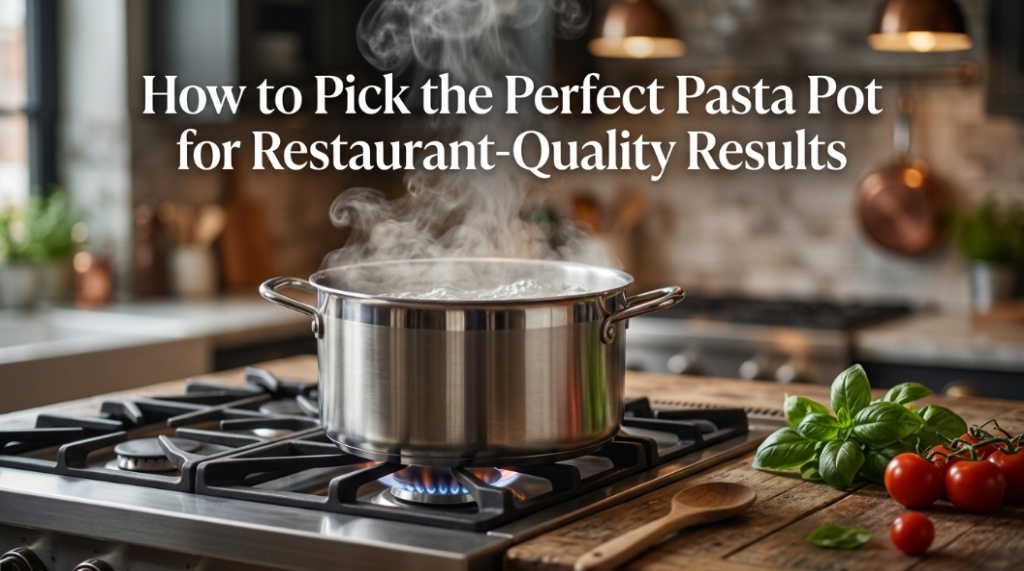
Professional chefs know a secret that rarely appears on pasta boxes: the difference between silky, perfectly cooked pasta and a sticky, uneven batch often comes down to the pot, not the recipe. Choosing the right stock pot for pasta can dramatically improve water circulation, starch distribution, cooking consistency, and final texture. Whether you’re preparing spaghetti for a family dinner or serving guests a restaurant-style meal, the pot you use matters more than most home cooks realize.
Pasta seems simple—boil water, add noodles, cook, and serve. Yet many people struggle with clumping, uneven cooking, boil-overs, and broken pasta strands. These problems often stem from using cookware that is too small, poorly constructed, or unsuitable for high-volume boiling. A dedicated pasta cooker or properly sized stock pot solves these issues by providing enough capacity, efficient heat distribution, and easier draining.
This guide explains exactly how to choose the perfect pasta pot for restaurant-quality results. You’ll learn which sizes work best, what materials perform well, whether specialty pasta cookers are worth buying, and how professional kitchens achieve consistently excellent pasta every day.
What Is the Best Pot for Cooking Pasta?
The best pot for cooking pasta is a large, heavy-bottomed stock pot that provides enough space for water circulation and maintains stable boiling temperatures throughout cooking.
A quality pasta pot should allow pasta strands or shapes to move freely while cooking. This movement prevents sticking and helps ensure even hydration. Professional chefs typically prefer stock pots between 8 and 12 quarts because they maintain consistent temperatures even when pasta is added.
Many experienced home cooks also use cookware specifically designed for pasta preparation. Understanding the differences between traditional pots and specialized cookware can help you choose the best cookware for making restaurant-quality pasta at home.
Key characteristics include:
- Heavy bottom construction
- Tall sides for water depth
- Tight-fitting lid
- Durable handles
- Large capacity
- Efficient heat retention
These features contribute directly to cooking performance and convenience.
Why Does Pot Size Matter When Cooking Pasta?
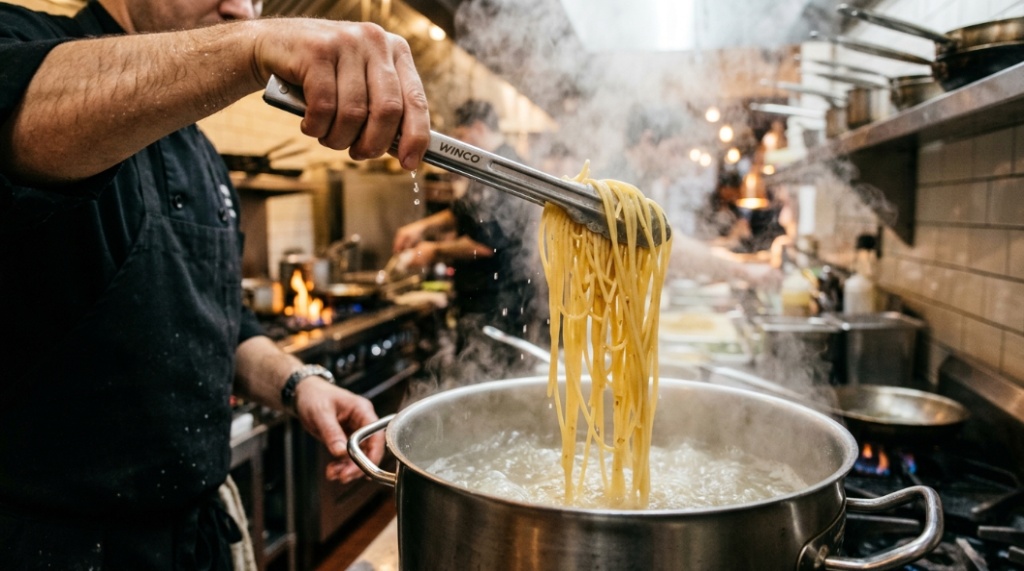
Pot size matters because adequate water volume allows pasta to cook evenly, prevents sticking, and helps maintain a rolling boil.
One of the most common cooking mistakes is using a pot that’s too small. When pasta is crowded, starch concentration increases rapidly, causing noodles to stick together.
According to culinary industry recommendations, approximately 4–6 quarts of water should be used per pound of pasta. Large stock pots make this ratio easy to achieve.
What Happens If the Pot Is Too Small?
Using an undersized pot can lead to:
- Sticky noodles
- Uneven cooking
- Broken spaghetti strands
- Excessive starch buildup
- Frequent boil-overs
The result is often mushy pasta instead of the firm al dente texture associated with restaurant-quality dishes.
Recommended Pot Sizes for Different Needs
| Household Size | Pasta Quantity | Recommended Pot Capacity |
|---|---|---|
| 1–2 People | ½ Pound | 6–8 Quarts |
| 3–4 People | 1 Pound | 8–10 Quarts |
| 5–6 People | 1.5 Pounds | 10–12 Quarts |
| Large Gatherings | 2+ Pounds | 12–16 Quarts |
Larger pots provide greater flexibility and accommodate a wider variety of pasta shapes.
Which Material Is Best for a Stock Pot for Pasta?
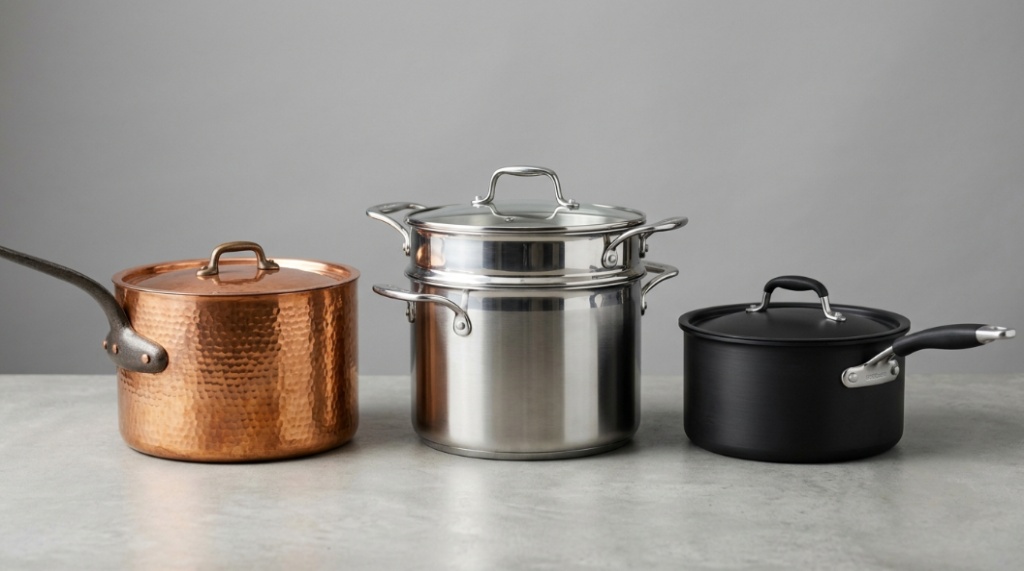
Stainless steel with an aluminum or copper core is generally the best material because it combines durability, heat efficiency, and ease of maintenance.
Material affects heating performance, longevity, and cooking consistency.
Stainless Steel
Stainless steel remains the most popular choice among professional kitchens because it:
- Resists corrosion
- Handles high temperatures
- Maintains appearance over time
- Works on most cooktops
- Offers excellent durability
Aluminum
Aluminum heats rapidly and distributes heat efficiently. However, it can react with acidic ingredients unless coated or anodized.
Copper-Core Construction
Premium cookware often includes copper layers that improve responsiveness and temperature control.
Enameled Steel
Enameled stock pots provide attractive aesthetics and good cooking performance but may be heavier than alternatives.
For most households, stainless steel with a multi-layer encapsulated base offers the best balance of performance and value.
Should You Buy a Dedicated Pasta Cooker?
A dedicated pasta cooker can simplify cooking and draining, but it is not essential if you already own a high-quality stock pot.
A modern pasta cooker usually includes an insert basket that lifts cooked pasta from boiling water without requiring a separate colander.
Many health-conscious cooks also pair quality cookware with alternative pasta varieties such as brown rice pasta. Learning about the nutritional advantages of brown rice pasta can help diversify your pasta dishes while maintaining excellent cooking results.
Advantages of a Pasta Cooker
- Easier draining
- Reduced mess
- Safer handling
- Convenient batch cooking
- Better organization during meal preparation
Potential Drawbacks
- Higher cost
- Requires storage space
- Less versatile than standard stock pots
Home cooks who prepare pasta several times weekly may appreciate the convenience, while occasional users can achieve identical results with a quality stock pot.
What Features Should You Look for in a Pasta Pot?
The most important features are capacity, construction quality, heat distribution, comfortable handles, and efficient drainage options.
Beyond material and size, several design details influence cooking performance.
Heavy Encapsulated Base
A thick base helps distribute heat evenly across the cooking surface, minimizing temperature fluctuations.
Strong Riveted Handles
Large pasta pots become heavy when filled with water. Riveted handles provide better support and durability.
Tight-Fitting Lid
A secure lid accelerates boiling and improves energy efficiency.
Measurement Markings
Internal markings simplify filling and reduce guesswork.
Insert Basket
Some premium pasta cookers include removable baskets for easy draining and portion management.
How Do Professional Restaurants Cook Pasta So Consistently?
Restaurants achieve consistency through large-capacity cooking systems, precise timing, and efficient water management.
Commercial kitchens often use specialized pasta stations with multiple baskets submerged in continuously boiling water.
Key Restaurant Techniques
- Large water volumes
- Consistent temperatures
- Measured portions
- Precise timing
- Proper finishing in the sauce
Restaurant chefs typically cook pasta until slightly underdone and finish it directly in the sauce. This final step allows starch and sauce to combine effectively.
Why Water Volume Matters in Restaurants
Large commercial stock pots maintain heat better when pasta is added. Less temperature loss means more predictable cooking times and better texture.
Does Pasta Shape Affect Pot Selection?
Yes, long pasta varieties require taller pots, while short shapes can cook effectively in wider vessels.
Different pasta styles benefit from different cookware dimensions.
Long Pasta Types
- Spaghetti
- Linguine
- Fettuccine
- Bucatini
- Capellini
These varieties perform best in tall pots that allow strands to soften naturally without breaking.
Short Pasta Types
- Penne
- Rigatoni
- Fusilli
- Rotini
- Macaroni
These shapes are less demanding regarding pot height but still require sufficient water circulation.
How Much Water Should You Use for Perfect Pasta?
The ideal ratio is approximately 4–6 quarts of water per pound of pasta.
Generous water volume helps dilute released starch and supports consistent cooking.
Water-to-Pasta Guidelines
| Pasta Amount | Recommended Water |
|---|---|
| ½ Pound | 2–3 Quarts |
| 1 Pound | 4–6 Quarts |
| 1.5 Pounds | 6–8 Quarts |
| 2 Pounds | 8–12 Quarts |
Should You Salt the Water?
Yes. Culinary experts generally recommend salting water once it reaches a boil. Salt enhances flavor throughout the pasta rather than merely seasoning the surface afterward.
What Common Mistakes Ruin Pasta Quality?
Most pasta problems result from overcrowding, insufficient water, poor cookware, or incorrect timing.
Using Too Little Water
Concentrated starch causes sticking and uneven cooking.
Choosing the Wrong Pot
Small or thin cookware often struggles to maintain consistent temperatures.
Overcooking
Pasta continues cooking briefly after draining and while mixing with sauce.
Skipping Stirring
The first two minutes are especially important because pasta tends to stick together during initial hydration.
Rinsing Pasta Unnecessarily
For most hot dishes, rinsing removes surface starch that helps sauces cling effectively.
Is an Expensive Pasta Pot Worth the Investment?
A premium pasta pot can provide better durability and performance, but many mid-range options deliver excellent results.
The best value usually comes from well-constructed stainless-steel cookware featuring:
- Multi-layer bases
- Strong handles
- Reliable lids
- Good capacity
- Even heat distribution
Instead of focusing solely on brand names, prioritize construction quality and functionality.
A dependable stock pot can last decades, making it one of the most practical kitchen investments for frequent pasta lovers.
Conclusion: How Can You Choose the Perfect Pasta Pot?
The perfect pasta pot is large enough to support proper water circulation, constructed from durable materials, and designed to maintain stable cooking temperatures.
For most households, an 8–12-quart stainless-steel stock pot for pasta offers the ideal balance of versatility, performance, and value. If convenience is a priority, a dedicated pasta cooker with an integrated basket can streamline draining and serving. The most important factors remain capacity, heat retention, and quality construction.
Restaurant-quality pasta doesn’t require professional equipment—it requires choosing the right cookware and using proper cooking techniques. With adequate water, consistent heat, and the right pot, even simple spaghetti can achieve the texture and flavor typically associated with professional kitchens.
Before purchasing your next pot, evaluate how frequently you cook pasta, the serving sizes you prepare, and the pasta varieties you enjoy most. Investing in cookware that matches your cooking habits will deliver better results meal after meal.
FAQ: How to Pick the Perfect Pasta Pot for Restaurant-Quality Results
What size stock pot is best for cooking pasta?
A stock pot between 8 and 12 quarts is ideal for most households. This size provides enough water volume for even cooking while remaining manageable for daily use.
Do I really need a pasta cooker?
No. A high-quality stock pot can cook pasta just as effectively. A pasta cooker mainly offers convenience through integrated draining baskets.
Why does pasta stick together while cooking?
Pasta typically sticks because there is insufficient water, inadequate stirring during the first few minutes, or overcrowding inside the pot.
Is stainless steel better than aluminum for pasta pots?
Stainless steel with an aluminum core generally offers the best combination of durability, heat distribution, and long-term performance.
Should pasta water be salted?
Yes. Salting boiling water improves flavor throughout the pasta and enhances the final dish.
Can I cook different pasta shapes in the same pot?
Yes, provided the pot is large enough. However, shapes with significantly different cooking times may not finish evenly.
How much water should I use per pound of pasta?
Use approximately 4–6 quarts of water per pound of pasta to promote proper starch dilution and consistent cooking.