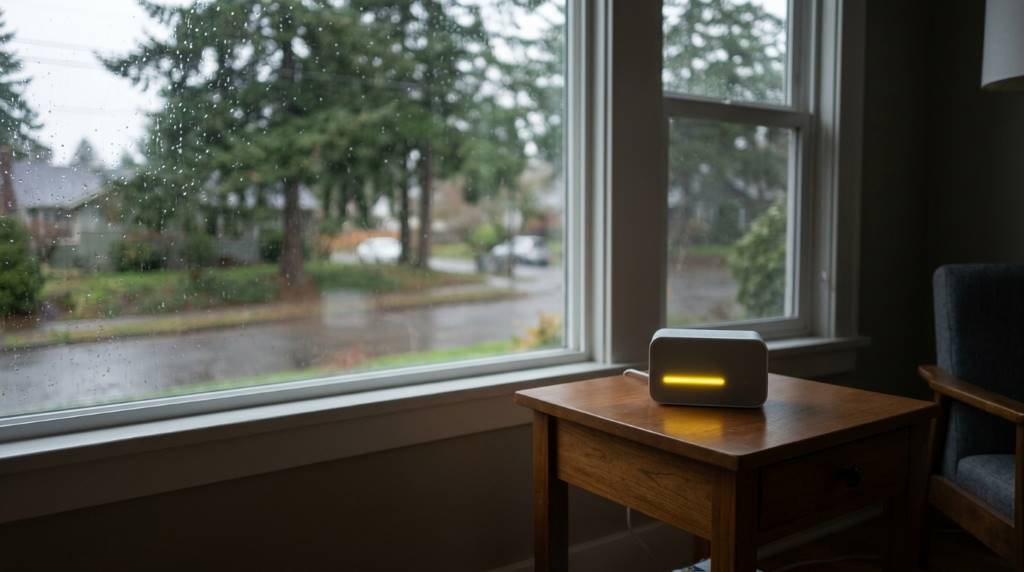
Many homeowners focus on keeping their homes clean, yet indoor air often receives far less attention. According to the United States Environmental Protection Agency, indoor air pollution levels can be two to five times higher than outdoor levels. Additionally, the EPA reports that Americans spend about 90 percent of their time indoors, making air quality a major health consideration. For homeowners dealing with lingering odors, moisture, allergens, or smoke, solutions such as eliminate smoke odor from house can complement broader air quality improvements. Understanding how to improve indoor air quality in Portland, OR homes helps create a healthier, more comfortable living environment throughout the year.
Why Indoor Air Quality Matters in Portland Homes
Portland offers beautiful surroundings, abundant greenery, and a mild climate. However, these same environmental conditions can contribute to indoor air challenges. Moisture from frequent rainfall, seasonal pollen, mold growth, pet dander, and airborne particles often affect indoor environments.
Before making major changes, homeowners should review things to consider before home improvement projects that may impact ventilation and airflow. Proper planning helps prevent unintended air quality issues while improving overall home performance.
Good indoor air quality supports respiratory health, improves sleep quality, reduces allergy symptoms, and creates a more comfortable living space. As a result, many Portland homeowners now prioritize air quality alongside energy efficiency and home maintenance.
Common Indoor Air Pollutants Found in Portland Houses
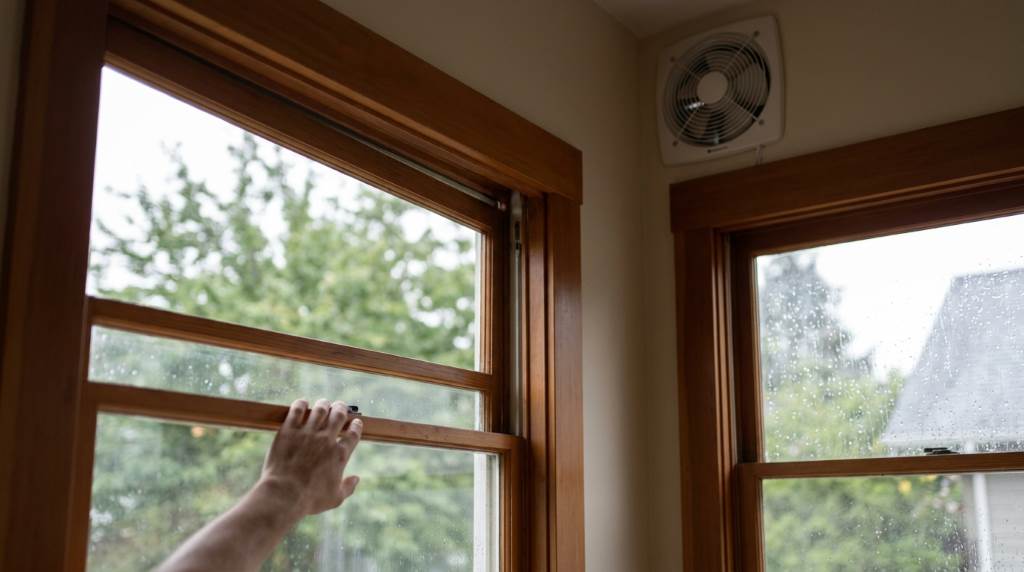
Moisture and Mold Spores
Portland’s wet climate creates ideal conditions for excess moisture. When humidity remains elevated for long periods, mold can develop behind walls, beneath flooring, and inside crawl spaces.
Mold spores circulate through indoor air and may trigger allergies, asthma symptoms, headaches, and respiratory irritation. Therefore, identifying moisture problems early remains one of the most important steps toward healthier indoor air.
Dust and Allergens
Dust contains a mixture of skin cells, pollen, fibers, pet dander, and microscopic particles. Since Portland experiences significant seasonal pollen levels, allergens frequently enter homes through open doors, windows, clothing, and pets.
Even clean homes can accumulate airborne allergens over time. Consequently, regular cleaning and filtration become essential.
Volatile Organic Compounds
Volatile Organic Compounds, often called VOCs, come from paint, cleaning products, furniture, adhesives, and building materials. These compounds may affect indoor air quality long after installation or use.
Although many modern products contain lower VOC levels, choosing low emission materials remains a smart strategy.
Combustion Byproducts
Fireplaces, gas stoves, furnaces, and attached garages can introduce pollutants such as carbon monoxide and nitrogen dioxide. Proper ventilation helps reduce the buildup of these contaminants.
Improve Ventilation Throughout the Home
Ventilation plays a critical role in maintaining healthy indoor air. Fresh outdoor air helps dilute indoor pollutants and reduce stale air buildup.
Many homeowners overlook mechanical systems connected to airflow. While addressing home maintenance concerns, it helps to understand how to reengage your garage door and inspect garage seals because attached garages can contribute pollutants that migrate into living areas.
Open Windows Strategically
During periods of good outdoor air quality, opening windows allows fresh air to circulate naturally. Cross ventilation works particularly well when windows on opposite sides of the home remain open simultaneously.
However, monitor local pollen counts and wildfire smoke conditions before relying on natural ventilation.
Use Exhaust Fans Consistently
Bathroom and kitchen exhaust fans remove moisture, odors, and airborne contaminants. Running these fans during and after activities such as cooking or showering helps reduce humidity and pollutant levels.
Consider Whole Home Ventilation Systems
Energy efficient homes often benefit from balanced ventilation systems. These systems continuously exchange indoor and outdoor air while helping maintain indoor comfort.
Control Moisture and Prevent Mold Growth
Moisture control remains one of the most effective methods for improving indoor air quality in Portland homes.
Keeping floors and surfaces free from dust also supports healthier air. Homeowners researching cleaning equipment often review a hoover vacuum buying guide to choose filtration systems that capture fine particles more effectively.
Maintain Healthy Indoor Humidity
Indoor humidity levels should generally remain between 30 and 50 percent. Excess humidity encourages mold growth, while very dry air may irritate the respiratory system.
Using dehumidifiers in damp areas helps maintain balanced moisture levels throughout the year.
Address Water Leaks Quickly
Small plumbing leaks often create hidden moisture problems. Therefore, inspect bathrooms, kitchens, basements, and crawl spaces regularly.
Prompt repairs prevent mold development and help preserve indoor air quality.
Improve Drainage Around the Home
Proper drainage keeps water away from foundations and crawl spaces. Clean gutters, functional downspouts, and proper grading reduce moisture intrusion risks significantly.
Upgrade Air Filtration Systems
Filtration removes airborne particles before they circulate throughout the home. Better filtration often leads to noticeable improvements in comfort and air quality.
Replace HVAC Filters Regularly
Dirty filters restrict airflow and reduce filtration effectiveness. Check filters regularly and replace them according to manufacturer recommendations.
Higher efficiency filters can capture smaller particles, including dust, pollen, and pet dander.
Use Portable Air Purifiers
Air purifiers equipped with HEPA filtration can help remove microscopic particles from indoor air. Bedrooms, living rooms, and home offices often benefit the most.
Choose appropriately sized units based on room dimensions for the best results.
Clean Air Ducts When Necessary
Although routine duct cleaning is not always required, heavily contaminated ductwork may affect indoor air quality. Professional inspections help determine whether cleaning makes sense for a particular home.
Reduce Indoor Sources of Pollution
Eliminating pollution sources often produces faster improvements than relying solely on filtration.
Select Low VOC Products
Paints, sealants, flooring materials, and furniture can release VOCs over time. Choosing low emission alternatives reduces indoor pollutant exposure.
Furthermore, allow new products to air out before bringing them into frequently occupied spaces whenever possible.
Store Chemicals Properly
Household chemicals should remain tightly sealed and stored away from living areas. Garages, outdoor sheds, and designated storage spaces provide safer options.
Avoid Indoor Smoking
Tobacco smoke contains thousands of chemicals that negatively affect indoor air quality. Maintaining a smoke free indoor environment remains one of the most effective health measures available.
Adopt Better Cleaning Habits
Regular cleaning removes pollutants before they become airborne.
Vacuum With High Quality Filtration
Vacuum cleaners equipped with HEPA filters trap fine particles instead of redistributing them into the air.
Pay special attention to carpets, rugs, upholstery, and corners where dust often accumulates.
Dust Using Damp Materials
Dry dusting frequently moves particles into the air. Instead, use damp microfiber cloths that capture dust more effectively.
Wash Bedding Frequently
Bedding collects allergens, skin cells, and dust mites. Weekly washing helps reduce allergen levels and supports better indoor air quality.
The Role of Indoor Plants
Indoor plants can contribute to a pleasant indoor environment and modestly support air quality. However, they should complement, not replace, proper ventilation and filtration.
Select plants appropriate for indoor conditions and avoid overwatering, since excess moisture may encourage mold growth in potting soil.
Monitor Air Quality Regularly
Air quality monitors provide valuable information about indoor conditions. Many devices track particulate matter, humidity, carbon dioxide, and VOC levels.
Monitoring helps homeowners identify patterns and determine whether corrective actions are working. As a result, decisions become more data driven and effective.
Conclusion
Improving indoor air quality in Portland, OR homes requires a combination of smart ventilation, moisture control, effective filtration, pollutant reduction, and consistent cleaning habits. Since Portland’s climate presents unique challenges related to humidity and allergens, homeowners benefit from taking a proactive approach. Small improvements often produce meaningful results over time. Start by identifying your home’s biggest air quality concerns, implement practical solutions, and create a healthier indoor environment for your family every day.
Frequently Asked Questions
How often should I replace my HVAC air filter?
Most homeowners should inspect filters monthly and replace them according to manufacturer recommendations.
Can indoor plants improve air quality?
Indoor plants can provide minor benefits, but ventilation and filtration have a much greater impact.
What humidity level is best for indoor air quality?
Maintaining indoor humidity between 30 and 50 percent generally supports healthy air quality.
Do air purifiers help with Portland allergies?
Yes, HEPA air purifiers can help reduce airborne pollen, dust, and pet dander.
What causes poor indoor air quality in Portland homes?
Common causes include moisture, mold, pollen, dust, VOCs, and inadequate ventilation.