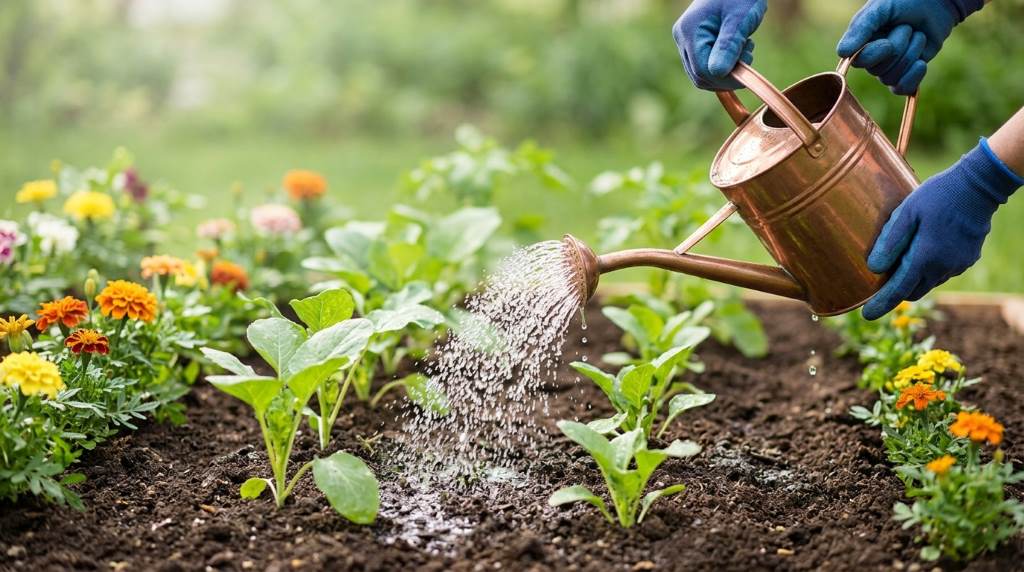
Texas soil is a force of nature. One week it’s baked clay hard as concrete; the next, it’s black gumbo that sticks to every shovel like glue. If you’ve ever spent a Saturday wrestling with a flimsy trowel only to snap it on a stubborn root, you know the pain. The problem isn’t your gardening skills—it’s your equipment. Finding the best transplanter tool in TX isn’t about picking the shiniest handle; it’s about matching steel strength and handle ergonomics to the unique demands of Lone Star dirt. This guide cuts through the noise to help you choose a tool that survives your soil, saves your back, and makes planting feel effortless.
What Makes a Transplanter Tool Different from a Trowel?
A transplanter is a long-bladed, narrow tool designed to dig deep, lift root balls, and create precise holes without disturbing surrounding soil. Unlike a standard trowel, it excels at leverage and depth. For Texas gardeners, this distinction is critical because our soil compacts hard and roots run deep.
Blade Shape: The Wedge vs. The Spike
Wedge-shaped blades (like the classic Japanese hori-hori) are ideal for cutting through turf and fibrous roots. Spike-style blades, often called “dibbles,” are better for making perfect holes for bulbs and seedlings. In TX, a wedge with a sharp, serrated edge is more versatile because it doubles as a root cutter and a measuring gauge.
Why Length Matters in Heavy Soil
A longer blade (10–14 inches) provides more leverage. This is not a luxury in Texas; it’s a necessity. Short blades force you to bend over more and exert extra force. A longer transplanter lets you stand straighter, pushing your body weight down the shaft instead of just using arm strength.
Which Materials Handle Texas Clay and Rocky Soil Best?
Forged boron steel or stainless steel are the only sensible choices. Thin, stamped metal will bend or snap. Boron steel holds a sharp edge and resists breaking; stainless steel resists rust but can be softer. Look for a tool where the steel runs all the way through the handle (tang) for maximum strength.
Comparing Steel Types for Durability
- Boron Steel: High carbon content, very tough, holds edge well. Slightly heavier.
- Stainless Steel: Rust-resistant, easy to clean, but can dull faster in abrasive sand.
- Carbon Steel: Sharpens beautifully but requires oiling to prevent rust in humid TX climates.
The Handle Connection: The Weakest Link
Most breakages happen where the blade meets the handle. A full-tang design (one continuous piece of metal) is non-negotiable. Avoid tools with plastic collars or screws. For TX, a solid wooden handle (ash or hickory) offers shock absorption, while a rubberized composite grip provides better grip when sweaty.
How Do You Choose the Right Handle Length and Grip?
Your height dictates handle length. A rule of thumb: if you stand straight, the handle should reach your wrist. A longer handle (up to 47 inches) is better for tall gardeners or those with back issues, as it allows for upright posture. Short handles (12-15 inches) offer more control for close-up work like transplanting seedlings.
Ergonomic Grip Design for Extended Use
Look for a handle with a contoured grip that fits the natural curve of your palm. Soft-grip materials (TPR or rubber) reduce blisters. Avoid perfectly round, smooth wooden handles—they twist in your hand when you hit a rock. A D-shaped handle at the top provides extra leverage for pulling roots.
D-Handle vs. Straight Handle
D-handles (a loop at the top) allow you to use two hands efficiently—one pushing down on the cap, one pulling the middle. This is a game-changer for breaking compacted clay. Straight handles are simpler and lighter but force you to rely on your grip strength alone,Before picking the right equipment, make sure you align your efforts with the daily gardening habits every homeowner follows in Austin to keep your yard thriving year-round.
Why is a Depth Marker Crucial for Texas Planting?
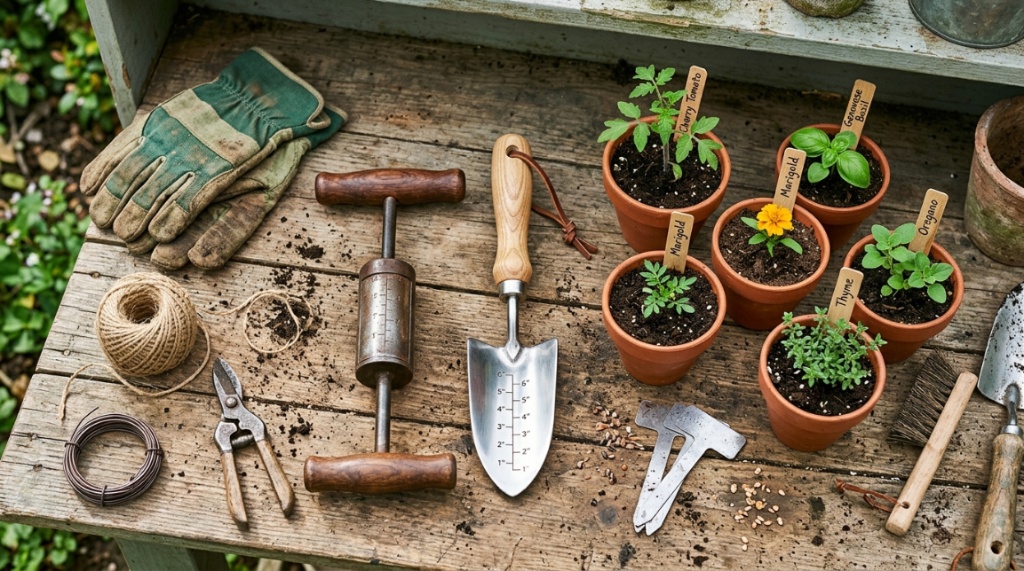
Planting bulbs, garlic, or potatoes at the wrong depth is a common failure point. A transplanter with etched depth measurements (in inches) on the blade eliminates guesswork. In TX, where the soil can vary from sandy to rocky within feet, this feature helps ensure consistent planting depths for optimal root growth.
Using the Measured Blade Effectively
Push the tool into the soil to the desired inch mark, then rock it back and forth to widen the hole. This technique prevents you from digging too deep or too shallow—a problem that leads to rot or poor germination.
How to Read Soil Moisture with Your Tool
Wet soil sticks to a dry blade; dry, sandy soil falls off instantly. Use your transplanter as a moisture probe. If the soil crumbles completely when you lift the blade, it’s too dry for transplanting. If it forms a muddy cast, it’s waterlogged. The right moisture level is when the soil holds its shape but breaks apart easily when tapped.
What Features Prevent Fatigue When Working in TX Heat?
Leverage and weight are the primary fatigue factors. A tool that is too heavy drains your energy; one too light requires more force. The ideal weight for a transplanter is between 10 and 16 ounces. Additionally, a blade with a slight curve reduces the surface area in contact with the soil, decreasing friction.
Weight Distribution and Balance Point
A well-balanced tool feels heavier at the top and lighter at the tip. When held at the handle, the blade should not feel like it’s dragging you down. Balance reduces wrist strain. Test the pivot point: it should be roughly at the area where the blade meets the handle.
Sharpening Techniques for Hard, Rooty Ground
Keep the blade razor-sharp. A dull blade requires extra push, tiring your arms faster. Use a flat file or a whetstone to maintain a 20-degree angle on both edges. A sharp blade cuts roots cleanly instead of tearing them, which reduces the risk of plant disease.
Can You Use a Transplanter for Weeding and Dividing?
Yes, a sharp transplanter is arguably the best weeding tool for taproots like dandelions. The long blade reaches deep to sever the root below the crown, preventing regrowth. It is also perfect for dividing perennials, allowing you to slice through dense root masses with a clean cut.
Techniques for Dividing Overgrown Perennials
- Insert the blade vertically around the entire circumference of the plant.
- Use the blade as a lever to lift the entire root ball out of the ground.
- Lay the root ball on its side and use the serrated edge to cut it into sections.
- Replant immediately to prevent roots from drying out.
Weeding Efficiency: Time Saved vs. Trowel
Studies from gardening trials show that using a transplanter for weeding takes 40% less time than using a hand fork. The extra depth ensures you get the entire root. For Texas bindweed or nutgrass, this is the only way to stay ahead.
How to Match the Tool to Your Specific TX Region?
Texas is vast. East Texas has acidic, sandy loam; West Texas is alkaline and rocky; South Texas has heavy black clay. The best transplanter tool in TX will depend on which soil you are breaking. For East Texas, a thinner, sharper blade is better. For West Texas, a thicker, cambered blade resists bends on rocks.
Tool Recommendations for Blackland Prairie Clay
For the notorious Blackland Prairie (stretching from Dallas to San Antonio), you need a heavy-duty tool with a pointed tip. The tip concentrates force to penetrate the compressed surface. A 14-inch blade with a slight twist is ideal—it helps pop the clay core out of the hole.
Tool Adjustments for Sandy and Permeable Soils
In sandy regions like the Panhandle, you do not need massive leverage. A lighter tool with a sharper edge is better. A straight blade works well because the soil collapses easily. Focus on a smooth, non-stick surface to prevent sand from grinding down the metal.
When Should You Replace Your Transplanter?
Replace your tool when the blade becomes thin, bent, or the handle cracks. A bent blade means the steel has lost its temper, and it will fail soon. A cracked handle is a safety hazard—it can splinter under pressure. “Wrist-twisting” is a sign that the blade has lost its straight edge.
Signs of Irreparable Wear and Tear
- Bent tip that cannot be straightened.
- Rust pitting deep enough to weaken the metal thickness.
- Loose handle that cannot be tightened by reseating.
- Blade edge is completely rounded and cannot be sharpened due to thinness.
Maintenance Routine to Extend Lifespan
After every use in Texas soil, wipe the blade clean. For iron soil stains, use a wire brush. If your tool is carbon steel, oil it lightly before storage. During winter, hang it—do not lean it on concrete, as moisture wicks into the handle.
Are There Specific Brands Known for TX Durability?
While brand names change, the best tools come from manufacturers who use full-tang construction and heat-treated steel. Look for brands like DeWit, Sneeboer, or Radius Garden—they have proven track records in tough conditions. However, make sure you check the gauge of steel. Thicker is better for heavy clay.
Feature Checklist for Premium Tools
| Feature | Why It Matters in TX |
|---|---|
| Full Tang | Prevent head separation. |
| Serrated Edge | Cut roots and tough turf. |
| Depth Marks | Accurate planting in varying soils. |
| D-Handle | Provide two-handed leverage for clay. |
Where to Buy and Test Tools Locally
Visit a local nursery, not just a big-box store. Nurseries often stock professional-grade tools. Test the weight and grip. If possible, bring a piece of compacted soil or try simulating a dig. If you can’t find what you need, read verified reviews online from other Texas gardeners.
What Are the Mistakes to Avoid When Buying Online?
Don’t buy solely on price. Inexpensive tools are typically made of stamped metal that will buckle. Avoid tools with “painted” finishes—they chip and then rust. Most importantly, disregard reviews from gardeners in other climates (like the UK or Pacific Northwest) as their soil conditions are vastly different from TX.
Misleading Product Description Tactics
Look for the actual steel gauge (e.g., 3mm thickness). If it’s not listed, assume it’s thin. “Stainless” is not always good—some stainless steel is brittle and can snap. “Drop-forged” is a good signal; “cast” is a warning sign.
Importance of Checking Warranty and Return Policy
Reputable brands offer a warranty against breakage. A 5-year warranty is a sign of confidence. Always buy from a retailer with a flexible return policy. You won’t know if the tool works until you hit your first rock.
Frequently Asked Questions
Can I use a transplanter for planting trees in Texas?
No. A transplanter is for small plants, bulbs, and perennials. For trees, you need a shovel or a spade. The narrow blade of a transplanter is not designed to move large volumes of soil.
Is a serrated edge necessary for a transplanter?
Yes, if you have Bermuda grass or St. Augustine lawns. The serrated edge cuts through roots and sod without needing a separate knife or hori-hori. It adds significant versatility.
How often should I sharpen my transplanter?
For heavy use, sharpen at the beginning of every planting season and touch up monthly. For light use, sharpen twice a year. Frequent sharpening reduces the force required significantly.
Does handle material affect performance differently in hot TX sun?
Yes. Wooden handles can dry out and splinter if left in the sun. They feel cooler initially but are less durable. Rubberized grips remain comfortable and do not heat up as much, but can get slippery with sunscreen.
Can I use a transplanter to dig holes for fence posts?
No. That would damage the tool immediately. For post holes, use a manual post-hole digger or an auger. A transplanter is for precision planting, not lifting heavy soil cores.
Conclusion
Choosing the right transplanter is about respecting your soil and your body. Whether you face the gumbo of the Gulf Coast or the caliche of the Hill Country, a full-tang, boron steel tool with a comfortable D-handle will serve you for decades. Do not settle for a flimsy trowel that snaps under pressure. Inspect the steel, test the balance, and prioritize leverage. Remember, the goal is to make planting as joyful as harvesting. Once you use a tool that slices through Texas dirt like butter, you will never go back. So, check your current tool, assess its weaknesses, and upgrade before your next planting day.