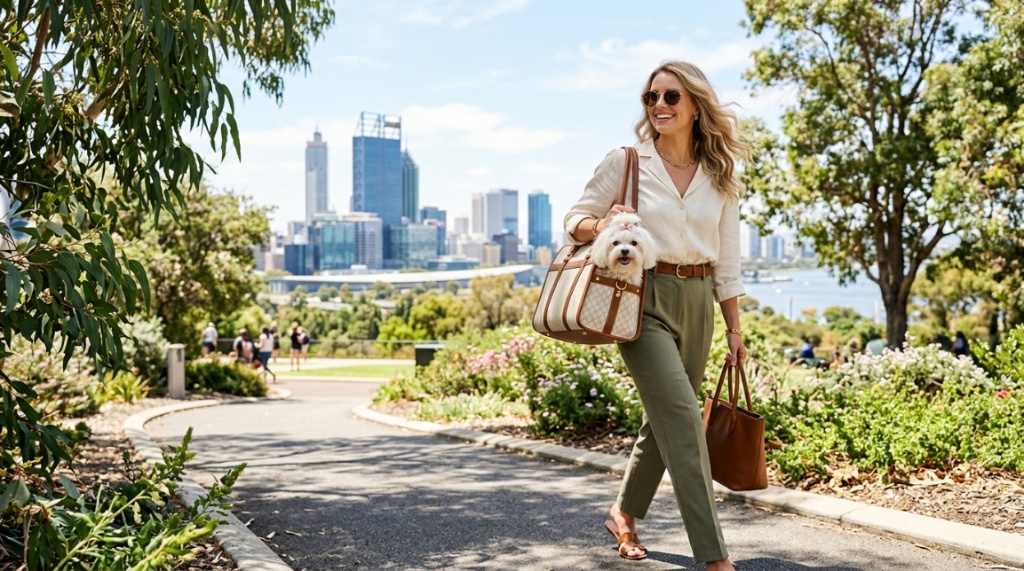
Imagine this: you’ve finally booked that dream weekend getaway to Leavenworth or a coastal escape to Cannon Beach, and your furry best friend is coming along. But as you pull out their old, battered crate, you cringe. It’s bulky, frankly ugly, and looks like it’s survived a war zone. You want to travel in style, but you also need practicality. This is the exact dilemma every Washington pet parent faces. The solution isn’t just about aesthetics; it’s about finding a carrier that matches the active, discerning lifestyle of the Pacific Northwest. Whether you are navigating Sea-Tac airport, hopping on a ferry, or hiking a trail in Snoqualmie, you need a designer pet carrier Washington residents can rely on—one that blends luxury with rugged functionality.
What Defines a Designer Pet Carrier Compared to Standard Options?
A designer pet carrier is distinguished by its superior materials, thoughtful engineering, and premium aesthetics, moving far beyond the basic functionality of a standard crate. While a standard carrier focuses solely on containment, a designer version considers the pet’s comfort, the owner’s style, and the ease of travel. It is an investment in both fashion and function, designed to last for years without looking worn out.
The Hallmarks of Luxury Materials
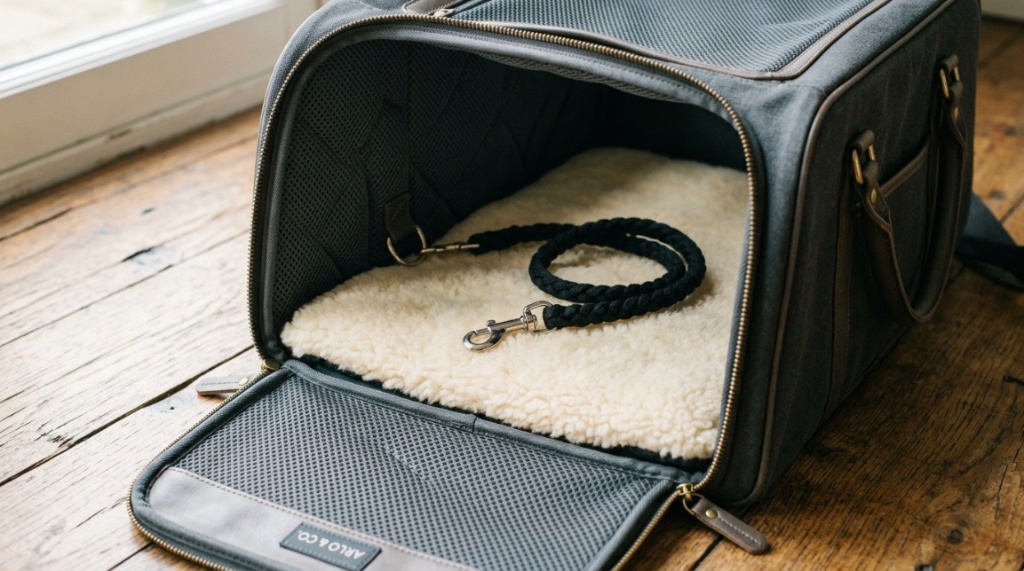
When you step up to a designer carrier, you are paying for tangible quality. You will notice a shift from flimsy nylon and cardboard to high-grade leather, breathable mesh, quilted fabrics, and suede interiors. These materials are not just visually appealing; they are durable enough to withstand the drizzle of Seattle and the wear and tear of frequent travel. Look for hardware made of solid metal—like zinc alloy or brushed brass—rather than cheap plastic, which is prone to breaking under pressure.
Engineering for Comfort and Safety
Luxury carriers prioritize ergonomics and safety. Features like memory foam inserts, anti-anxiety interior padding, and structurally reinforced frames set them apart. Unlike budget crates that can collapse easily, designer options often feature a rigid frame that creates a “den-like” atmosphere, which helps reduce a pet’s travel anxiety. They are also designed with breathability in mind, featuring multiple entry points and ventilation panels to keep air circulating during long drives or flights.
The Aesthetic and Lifestyle Appeal
Let’s be honest—the aesthetic matters. A designer carrier serves as a lifestyle accessory, often complementing high-end luggage or a chic streetwear look. Whether you prefer the minimalist vibe common in Portland or the sleek, modern lines popular in Bellevue, there is a design for you. It turns a necessary travel item into a statement piece that reflects your personal taste and your care for your pet.
Why Does the Washington Climate and Lifestyle Matter for Carrier Selection?
Washington’s unique climate—ranging from wet coastal regions to dry, high-desert areas east of the Cascades—demands specific features from your pet carrier that other states simply don’t require. Your choice must account for rain, fluctuating temperatures, and the active outdoor culture of the Pacific Northwest.
Water Resistance and Weatherproofing
The number one enemy of a standard carrier in Washington is rain. A designer carrier for this region must feature water-resistant or water-repellent fabric. If you are walking from your car to a café in Ballard, you don’t want the carrier to soak through and make your pet cold and miserable. Look for coated canvas or treated leather that can handle a sudden downpour without damage.
Insulation for Temperature Fluctuations
Washington temperatures can swing drastically. A sunny day in Spokane can drop 15 degrees in the evening. A high-quality designer carrier should offer insulation options. Removable fleece liners are essential for winter trips to the mountains, while breathable mesh panels are crucial for the rare, sweltering summer heat. This thermal adaptability ensures your pet remains comfortable regardless of the forecast.
Portability for the Active Pet Parent
Washingtonians love the outdoors. Whether you are taking a short ferry ride to Bainbridge Island or navigating the bustling streets of downtown Seattle, your carrier needs to be mobile. Look for features like stroller clips, expandable side panels for rest stops, and padded shoulder straps designed for long carrying. A carrier that integrates seamlessly with your active lifestyle—rather than hindering it—is the ultimate luxury.
Which Carrier Style Suits Which WA Travel Scenario?
The “best” carrier depends entirely on your specific travel plans. The carrier you need for a cross-country flight is different from the one you need for a quick vet visit or a road trip to the Olympic Peninsula. Choosing the right style for the right scenario maximizes comfort and convenience for both you and your pet.
Backpack Carriers for Hiking and Adventuring
For the adventurous pet owner, a backpack carrier is indispensable. These are perfect for taking your small to medium-sized dog on a hike along the Rattlesnake Ledge trail. Designer backpacks offer better weight distribution than traditional tote bags, protecting your back on long treks. They also allow your pet to see the scenery, which can reduce anxiety and make them feel included in the adventure.
Rolling Carriers for Airport and City Transit
If you travel frequently through Sea-Tac or take the Link Light Rail, a rolling carrier is your best friend. These feature sturdy wheels and a retractable handle, allowing you to glide through terminals with ease. High-end versions offer shock-absorbing wheels for a smooth ride over uneven pavement and cobblestone streets. Ensure the carrier meets airline size restrictions for in-cabin travel to avoid check-in surprises.
Tote, Sling, and Shoulder Carriers for Social Outings
For shorter trips—like brunch in Capitol Hill or a visit to the vet—a tote or sling carrier offers unmatched style and convenience. These look like chic handbags but are equipped with secure tethers to keep your pet safe. They are lighter and easier to slip on and off your shoulder, making them ideal for urban errands. However, they are generally not suitable for long hikes or overnight travel due to limited space.
How Do You Ensure Flight Compliance for a Cabin Carrier?
To ensure your carrier is compliant for in-cabin flights, you must measure its dimensions under the seat, confirming it fits within the specific airline’s size restrictions. Compliance is non-negotiable; if the carrier is too tall or wide, you’ll be forced to gate-check it, which is stressful for you and your pet. Always check the airline’s current policy before booking, as rules frequently change.
Understanding Size and Weight Limits
Airlines like Alaska, Delta, and United have strict size limits, usually around 18″ x 11″ x 11″ or similar dimensions. Your pet must be able to stand up and turn around inside the carrier. Furthermore, be aware of the total weight limit including the pet, which often hovers around 15–20 lbs. A designer carrier labeled “soft-sided” is often more forgiving on sizing as they can squish slightly to fit under seats.
The Importance of Soft-Sided vs. Hard-Sided Carriers
For nearly all domestic flights, a designer pet carrier Washington travelers choose is a soft-sided model. These are superior for flying because they flex to fit into limited legroom spaces. Hard-sided carriers, while sturdy, often do not fit under seats due to their rigid structure. Additionally, soft-sided carriers typically feature a top-loading zipper, allowing you to unzip the top to calm your pet or check on them during turbulence without hauling them out.
TSA Security Screening Best Practices
You will need to remove your pet from the carrier when going through security at Sea-Tac. This means you must also walk through the metal detector while carrying your pet, and the empty carrier will be scanned via X-ray. A designer carrier with a plush pad is beneficial here as it provides a stable, comfortable spot to hold your pet while you gather your belongings. Practice this at home to reduce stress on travel day.
What Safety Features Should You Prioritize in a Luxury Carrier?
Safety is the most critical component of any carrier, regardless of price. A designer label does not automatically mean it is safe; you must inspect the construction details. Prioritizing security features prevents escapes and protects your pet in the event of sudden movements or accidents.
Structural Integrity and Frame Support
Look for carriers with a welded or reinforced frame. This prevents the carrier from crumpling inwards if hit or bumped. In a standard carrier, if you clip it to a seatbelt, the soft sides can press into your pet. A designer carrier with a solid base and strong top handles maintains its shape, offering protection akin to a safety bubble for your pet.
Escape-Proof Zippers and Clips
Anxious pets are escape artists. Ensure the main entry points use heavy-duty zippers. Many high-end carriers now feature “lockable” zipper pulls that can be secured with a small padlock or clip to prevent clever paws from sliding them open. Additionally, inside the carrier, there should be a safety tether that clips to your pet’s harness—never their collar—to prevent them from bolting when you open the door.
Interior Ventilation and Visibility
Proper airflow is essential to prevent overheating. A luxury carrier should have mesh windows on at least three sides. However, be wary of too much visibility, which can overstimulate a nervous dog. The best designers create a “cave” effect by offering retractable shades or included covers so your pet can hide when they need to, while still having ample airflow.
How Do You Maintain and Clean a High-End Carrier?
Maintaining a high-end pet carrier requires a proactive approach to cleaning to ensure its longevity and hygienic condition. The key is to address messes immediately and use the correct cleaning agents for the specific material of your carrier. Regular upkeep protects your investment and keeps your pet healthy.
Stain Removal and Spot Cleaning Techniques
Do not machine wash a designer carrier unless the label explicitly says it’s safe. Instead, use a soft-bristled brush and a mixture of mild soap and warm water to spot-clean muddy paws or drool. For stubborn urine stains, use an enzyme-based cleaner specifically designed for pets. These break down the proteins in the waste, eliminating odor at the source rather than just masking it with fragrance.
Protecting Leather and Canvas Materials
If you invested in a leather carrier, treat it annually with a leather conditioner to prevent cracking—especially after a wet winter in the PNW. For canvas carriers, apply a water-repellent spray (like Scotchgard) at the beginning of the season to reinforce the water resistance. Always air-dry the carrier completely after cleaning to prevent mildew growth in the damp Washington air.
Washing Removable Liners and Pads
Most premium carriers feature removable, washable fleece or faux-shearling liners. These should be washed frequently. Always use a gentle cycle with cold water and tumble dry on low. Avoid fabric softeners, as the residue can irritate your pet’s skin and reduce the softness of the fabric over time.
Can a Designer Carrier Improve Your Pet’s Travel Experience?
Absolutely, a designer carrier can significantly improve your pet’s travel experience by reducing stress and providing a more secure, comfortable environment. The investment in better materials translates directly to a calmer, happier pet. This is because luxury carriers are designed with animal psychology in mind, not just human aesthetics.
Reducing Anxiety Through Design
Crash pads and memory foam bases offer orthopedic support that outlines the joints, preventing aches and pains during long layovers. More importantly, the “den-sense” design of many luxury carriers—which minimizes open space—mimics a safe hiding spot. This triggers a calming response in dogs and cats, reducing panting and whining compared to being in a wide-open, transparent crate.
Creating a Familiar Scent Zone
Because designer carriers are often larger and allow for thicker bedding, you can place a shirt or blanket that smells like home inside. The carrier becomes associated with comfort and safety, not just a vessel to the scary vet. Over time, your pet may even voluntarily nap in their carrier at home, making travel day far less stressful because the carrier is already a familiar space,While ensuring your furry friend travels in style is a priority, outdoor enthusiasts looking to hit the trails can check out these Best Entry-Level Mountain Bikes for New Riders for their next big outdoor adventure.
The Benefit of Multiple Entry Points
Luxury carriers often feature top, side, and front openings. This is a massive advantage when dealing with a reluctant pet. You can place them in through the top opening without having to shove them through a small side door. Vets also appreciate being able to access the pet through the top or front door without forcing them out, which makes the entire check-up process smoother and less traumatic.
How Much Should You Invest in a Premium Pet Carrier?
You should expect to invest anywhere from $150 to over $600 for a high-quality designer pet carrier. This price range reflects the durability of materials, the sophistication of the design, and the level of comfort provided. While the sticker price is higher than a standard $40 crate, the longevity and superior features offer greater value over time.
Evaluating Cost vs. Longevity
A cheap carrier may last a year or two before the zippers break or the base collapses. A designer carrier, built with reinforced stitching and solid metal components, can easily last a decade. If you travel frequently or have a large-breed puppy that will grow into the carrier, paying more upfront is often cheaper than replacing a budget model every few years.
Where to Find Authentic Luxury Brands
You may be tempted to buy a knock-off from an online marketplace to save money. However, counterfeit carriers often use toxic glues and cheap plastics that can be harmful to your pet. Always purchase from reputable retailers or directly from the brand. If you want to see a curated list of top-tier, vetted options that are perfect for the Pacific Northwest climate, check out this comprehensive guide to the best designer pet carrier Washington residents are raving about.
Looking for Sales and Secondhand Alternatives
Designer doesn’t always mean full price. High-end retailers often have seasonal sales, and you can find excellent “gently used” carriers on sites like Poshmark or eBay. Since carriers are heavily used for a short period, many people sell them after a single vacation. Buying secondhand is an eco-friendly way to own a luxury brand without the hefty price tag, just be sure to sanitize it thoroughly before using it with your pet.
What Size Carrier Is Right for My Specific Pet Breed?
Choosing the correct size is critical; the right carrier is one where your pet can stand up, turn around, and lie down flat without being cramped. For the general health of your pet, particularly for their spine and joints, a carrier that is too small can cause severe discomfort.
Measuring Your Pet Correctly
To find the perfect fit, measure your pet’s length from the base of their neck to the base of their tail, and their height from the floor to the top of their shoulders (or ears, whichever is taller). Add about 2-3 inches to these measurements to find the minimum internal dimensions of the carrier you need. Always check the internal dimensions, not the external ones, as padding can eat up valuable space.
Sizing Guide for Common WA Breeds
Different breeds have different body types. A long, low breed like a Dachshund needs a longer carrier, while a stocky French Bulldog needs more height. Here is a quick guide:
- Extra Small (Cats & Toys): Up to 8 lbs. Ideal for breeds like the Persian cat or Teacup Poodle.
- Small (Chihuahua & Yorkies): Up to 15 lbs. Fits flatter-faced breeds and small terriers.
- Medium (Corgi & Cocker Spaniel): Up to 25 lbs. Suited for longer-bodied dogs and those with deeper chests like a Boston Terrier.
- Large (Shiba Inu & Similar): Up to 40 lbs. For bulkier breeds that still fit under airplane seats (though often tight).
Common Sizing Mistakes to Avoid
The most common mistake is buying a “grow into it” carrier for a puppy. If the carrier is too big, the pet will feel insecure and anxious, and they may slide around during turns in the car. Conversely, cramming a growing dog into a small carrier can cause back issues. Choose the size that fits them *now*, even if it means you might need to upgrade in a year.
Where Can You Test and Buy Designer Carriers in Washington?
While online shopping is convenient, nothing beats visiting a physical store in Washington to test the carrier with your pet. Seeing the size, feeling the fabric, and ensuring the zippers are smooth is crucial to making the right purchase. Many local boutiques and pet supply stores in the state offer premium selections.
Top Boutiques in Seattle and Bellevue
Seattle and the Eastside have a strong market for luxury pet goods. Stores like Perfect Pet in Georgetown, or the high-end selection at Mud Bay, often carry designer brands. In Bellevue, you can find luxury pet boutiques within the shopping district that cater to high-end tastes, offering brands like Yumall or Pet Hardware. These stores allow you to see the carrier’s construction up close.
Specialty Stores in Portland and National Chains
If you are traveling south to the Portland area, you will find an even bigger scene for boutique pet apparel. Additionally, premium national chains like Petco and PetSmart are now stocking higher-end “designer” lines in their urban locations. However, the staff at specialized boutiques usually have deeper knowledge of pet comfort and safety, so it is worth seeking them out for expert advice.
Tips for an In-Store Fitting Session
When you go to the store, bring a towel or blanket that smells like home to place inside the carrier. Place the carrier on the floor and let your pet explore it without forcing them inside. Reward them with treats. This helps you gauge if they walk in willingly and if they can turn around easily. Do not buy a carrier that your pet seems panicked in at the store; if it looks stressful there, it will be worse in an airport.
Frequently Asked Questions
Are designer pet carriers worth the money?
Yes, they are worth the money if you travel frequently. They last longer, provide better comfort and safety features for your pet, and hold their value better for resale. The use of higher-quality materials reduces the need for frequent replacements, saving you money in the long run.
Can I use a designer carrier for airline travel?
Most soft-sided designer carriers are suitable for airline travel, but you must check the specific dimensions with your airline first. Many luxury brands design their carriers to meet the strict size requirements for in-cabin pets on major US carriers like Alaska and Delta, but it is your responsibility to verify.
How do I measure my dog for a carrier?
Measure your dog’s length from the back of the neck to the base of the tail, and their height from the floor to the top of their head or shoulders. Add two to three inches to both measurements. Compare these numbers to the internal dimensions of the carrier to ensure the correct fit.
Is it better to have a hard or soft-sided carrier?
For travel, a soft-sided carrier is generally better. It is easier to squeeze under airplane seats, weighs less, and provides a cozier, more den-like environment for anxious pets. Hard-sided carriers are more rigid and safe for car crashes but are rarely approved for in-cabin flights.
How do I sanitize a second-hand designer carrier?
First, vacuum out all hair and debris. Remove all liners and wash them in hot water with a pet-safe detergent. Wipe down the interior and exterior shell with a disinfectant spray or a 50/50 water and vinegar mixture. Air dry completely in the sun to kill any lingering bacteria and freshen the fabric naturally.
Conclusion
Choosing the right designer pet carrier for your life in Washington is about far more than just keeping your pet contained. It is about ensuring their safety and comfort while allowing you to travel with style and confidence. From the rain-soaked streets of Seattle to the sunny trails of Eastern Washington, your carrier must be as versatile as your lifestyle. By focusing on durable materials, proper sizing, and essential safety features, you are not just buying a bag—you are investing in countless stress-free adventures with your furry companion. Remember to prioritize you pet’s comfort above all else, and don’t be afraid to invest in a piece that will last for years. Now, go ahead and plan that trip—the Pacific Northwest is waiting for you both.